When you experience an unexpected reaction to a medication, you’re not just dealing with discomfort—you’re holding valuable information that could prevent harm to others. Report medication side effects, the act of notifying health authorities or your provider about unexpected or harmful reactions to drugs. Also known as adverse drug reaction reporting, it’s a simple step that fuels safer prescribing and helps regulators spot hidden risks before they become widespread. Most people don’t realize that side effects aren’t just "bad luck"—they’re data points. A single report might seem small, but when thousands of people report the same issue, it triggers investigations that can change labels, issue warnings, or even pull drugs off the market.
It’s not just about the obvious stuff like rashes or vomiting. Sometimes side effects are sneaky: feeling unusually tired after starting a new blood pressure pill, noticing your mood drops after a cholesterol drug, or getting dizzy when you stand up too fast. These aren’t "just aging" or "stress." They could be linked to the medication. The FDA adverse events, a system that collects and analyzes reports of harmful reactions to medications and medical products relies on real people like you to fill in the gaps that clinical trials miss. Trials involve healthy volunteers and short timeframes. Real life? People take five meds at once, have kidney problems, or are over 70. That’s where the real risks show up.
You don’t need to be a doctor to report. If you’re on a medication and something feels off—especially if it’s new, worsening, or doesn’t go away—write it down. Note the drug name, dose, when you started, and what happened. Then tell your pharmacist or doctor. They can file it for you. Or go straight to the FDA’s MedWatch portal. No paperwork, no cost, no waiting. Your report goes into a database used by researchers, regulators, and even drugmakers to improve safety. And if you’ve ever wondered why some drugs come with scary warning labels? Someone reported it first.
Many people stay quiet because they think it’s "not a big deal" or worry they’ll be dismissed. But if your side effect is serious enough to make you question whether to keep taking the pill, it’s worth reporting. Even if your doctor says it’s "common," if it’s affecting your life, it matters. And if you’ve ever switched meds because one made you feel awful? That’s a report waiting to happen. The more reports we have, the clearer the picture becomes. That’s how we stop the next hidden danger before it hurts someone else.
Below, you’ll find real stories and practical guides on how to spot, document, and report side effects—plus how to tell if what you’re feeling is normal or something that needs urgent attention. You’ll also learn which drugs are most likely to cause hidden reactions, how to use FDA tools to check if your meds have known risks, and what to do when your doctor brushes off your concerns. This isn’t just about being informed. It’s about being part of the solution.
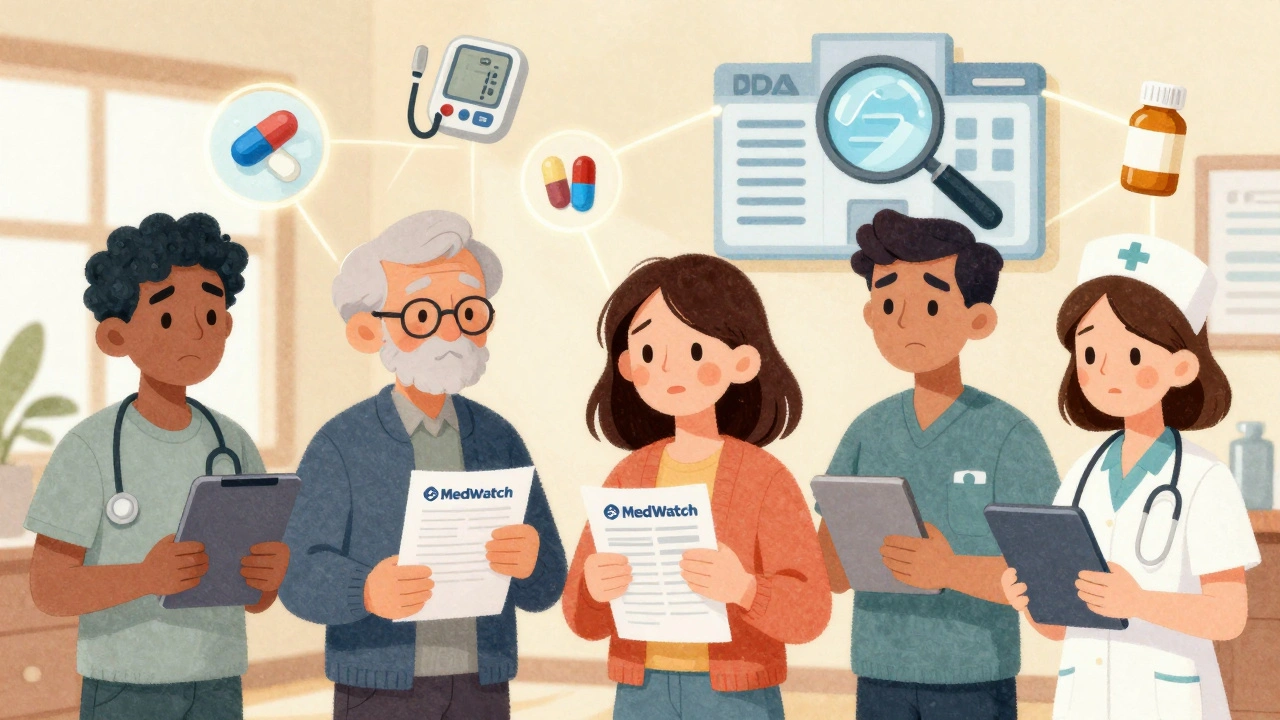
Learn how to report medication side effects and safety issues through MedWatch, the FDA's official system for tracking adverse events. Your report could help prevent harm to others.
read more