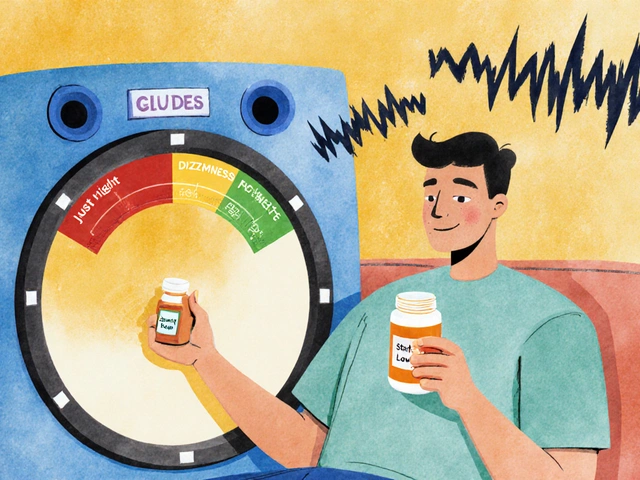
When long-term opioid use makes your pain worse instead of better, you might be dealing with opioid-induced hyperalgesia, a condition where the body becomes more sensitive to pain after prolonged opioid exposure. Also known as OIH, it’s not addiction—it’s a neurological side effect that tricks your nervous system into feeling more pain, even when the original injury has healed. This is where methadone, a long-acting synthetic opioid used for pain and opioid use disorder comes in. Unlike other opioids, methadone blocks NMDA receptors in the brain, which are involved in pain sensitization. That’s why it’s one of the few opioids that can actually help reduce OIH instead of making it worse.
Most people think all opioids work the same, but they don’t. Drugs like oxycodone or hydrocodone just pile on more opioid receptors, which can amplify pain signals over time. Methadone is different—it’s got a dual action. It binds to mu-opioid receptors for pain relief, but also interferes with the NMDA pathway that drives hyperalgesia. This makes it uniquely suited for patients who’ve been on opioids for months or years and now feel like their pain is out of control. Studies show that switching to methadone can reduce pain scores in OIH patients by 30% to 50%, often without increasing the total opioid dose.
But it’s not a magic fix. Methadone requires careful dosing because it builds up in the body over days. Too much can cause dangerous breathing issues, especially if you’re not used to it. That’s why it’s only prescribed by providers who know how to titrate it slowly—usually starting at 2.5 to 5 mg once or twice daily. Patients often report feeling more stable after a few weeks, with less pain spikes and fewer cravings. It also helps break the cycle of chasing higher doses, which is common in OIH.
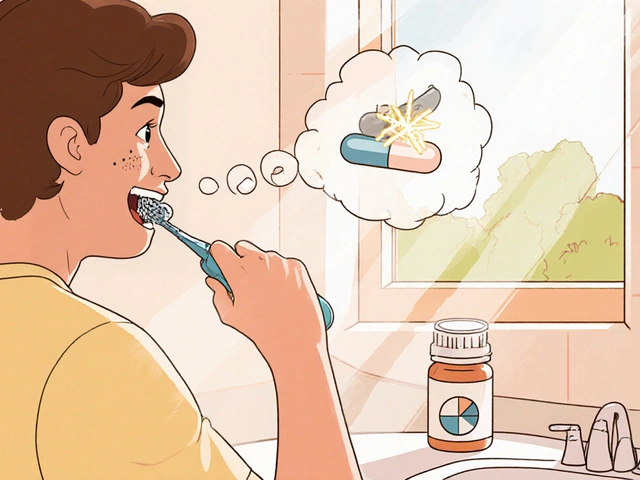
What makes methadone for OIH even more practical is how it fits into real-life treatment. Many patients on this path are also dealing with medication adherence, the challenge of taking drugs consistently, especially when side effects or mental health issues get in the way. Depression, anxiety, or just fatigue can make sticking to a methadone schedule hard. That’s why pairing it with daily habits—like taking it with breakfast or after brushing your teeth—can make a big difference. It’s not about willpower. It’s about building simple, reliable routines that stick.
You’ll also see how dose titration, the careful, gradual adjustment of medication strength to find the right balance is key here. Jumping to a high dose is risky. Slowly increasing methadone over weeks lets your body adjust, reduces side effects, and gives your provider time to monitor for signs of toxicity. This isn’t guesswork—it’s science-backed precision.
And while methadone is powerful, it’s not the only tool. Sometimes it’s used alongside non-opioid pain meds, physical therapy, or even cognitive behavioral strategies. The goal isn’t just to numb pain—it’s to reset how your nervous system responds to it. If you’ve been told your pain is "all in your head," or that you’re just tolerant, know this: OIH is real, measurable, and treatable. Methadone isn’t the answer for everyone, but for many, it’s the turning point.
Below, you’ll find real-world insights from patients and providers on how methadone is used in practice, how to spot OIH early, what alternatives exist, and how to manage the whole process safely. No fluff. Just what works.

Opioid-induced hyperalgesia can make pain worse over time, even as doses increase. Learn how long-term opioid use rewires your nervous system and what actually works to reverse it.
read more