When someone has major depressive disorder, a serious mental health condition characterized by persistent low mood, loss of interest, and physical symptoms lasting at least two weeks. Also known as clinical depression, it doesn’t go away with willpower—it rewires how your brain responds to stress, sleep, and even the pills you take every day. This isn’t the same as temporary sadness. People with major depressive disorder often struggle to get out of bed, lose appetite, feel worthless, or can’t concentrate enough to take their blood pressure or diabetes meds. And that’s where things get dangerous.
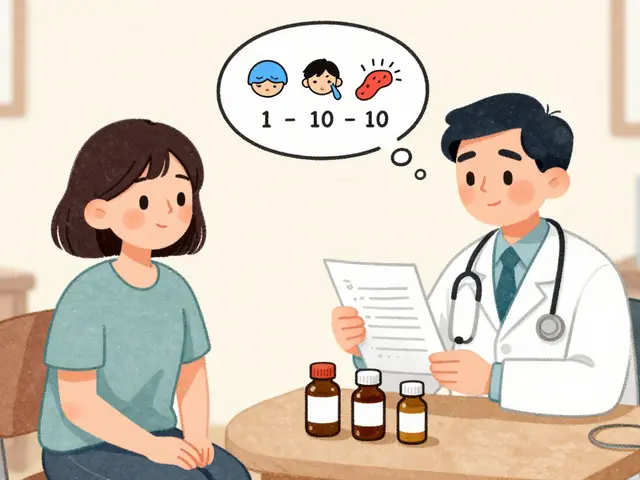
Antidepressants, medications like SSRIs, SNRIs, and atypical agents used to treat depression by balancing brain chemicals are the first line of treatment, but they don’t work the same for everyone. Some cause insomnia. Others make you so sleepy you forget to take your other drugs. And if you’re already struggling with medication adherence, the habit of taking prescribed drugs exactly as directed, depression makes it worse. Studies show people with depression are up to three times more likely to miss doses of chronic disease meds. It’s not laziness—it’s the illness. Tools like the PHQ-9, a simple nine-question screening tool used by doctors to measure depression severity help spot this early. But even when diagnosed, side effects like weight gain or sexual dysfunction can make people quit their meds. That’s why pairing antidepressants with daily habits—like taking them after brushing your teeth—isn’t just helpful, it’s life-saving.
Major depressive disorder also plays hide-and-seek with other conditions. It masks itself as fatigue in people with thyroid problems. It makes chronic pain feel worse. It turns a mild case of GERD into a full-blown crisis because you stop caring about diet or timing your PPIs. And when you’re on immunosuppressants or blood thinners, depression can make you ignore warning signs—like unusual bruising or heart palpitations from a drug interaction. That’s why the posts here don’t just talk about depression in isolation. They show how it connects to sleep changes from SSRIs, how to talk to your pharmacist about supplement risks, and why you might need to switch from one antidepressant to another because the first one messed with your rest. You’ll find real strategies for when your meds feel like too much, when your mood kills your motivation, and how to keep taking what you need even when everything feels heavy.
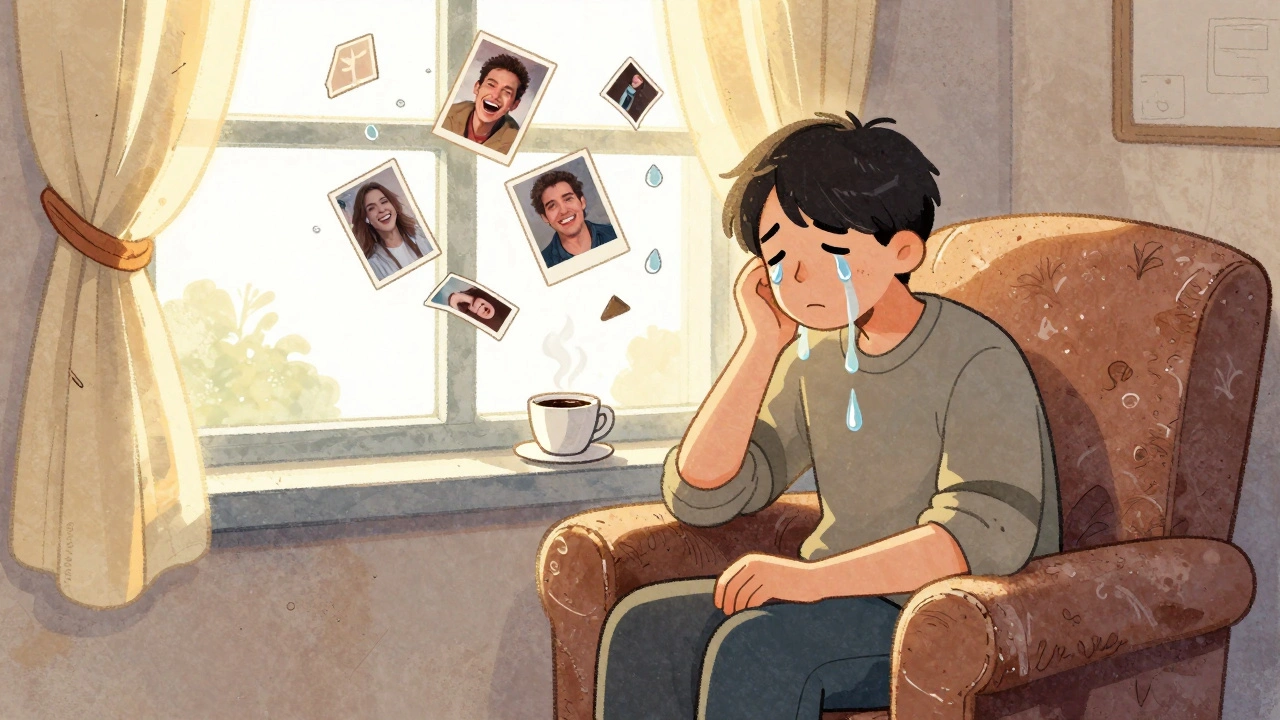
Learn how to tell the difference between grief and depression, what treatments actually work, and when to seek help. Grief is tied to loss; depression is a clinical condition. Knowing which is which saves lives.
read more