When you have GERD, gastroesophageal reflux disease, a chronic condition where stomach acid flows back into the esophagus. Also known as acid reflux, it’s not just heartburn—it’s a daily struggle that can wreck sleep, damage your throat, and make eating a chore. The good news? You don’t always need stronger meds. Many people see real improvement just by adjusting how they live.
What you eat matters, but so does when and how you eat. Eating large meals, especially right before bed, is one of the top triggers. Lying down with a full stomach gives acid an easy path upward. Try smaller meals, stop eating at least 3 hours before bedtime, and avoid lying down after food. Even raising the head of your bed by 6 inches helps—gravity becomes your ally. Weight is another big factor. Carrying extra weight around your middle increases pressure on the stomach, forcing acid out. Losing even 10 pounds can cut symptoms in half for many people.
Some habits sneak up on you. Tight clothes around your waist, smoking, and drinking alcohol all relax the valve that keeps acid in place. Caffeine and spicy foods aren’t universal triggers, but if they make your chest burn, skip them. Chocolate, citrus, tomatoes, and carbonated drinks are common offenders too. Keep a simple food journal for a week—write down what you ate and when symptoms hit. You’ll spot your personal triggers faster than any doctor’s guess.
Stress doesn’t cause GERD, but it makes it worse. When you’re tense, your body produces more acid and slows digestion. Simple breathing exercises, walking after meals, or even just sitting quietly for 10 minutes can help. Don’t wait until symptoms flare up to change things. Small, consistent shifts add up. One person cuts out late-night snacks. Another stops wearing tight belts. Another starts chewing gum after meals—it boosts saliva, which naturally neutralizes acid.
These aren’t radical overhauls. They’re small, doable steps that fit into real life. You won’t find magic pills here—just real habits backed by what works for people day after day. Below, you’ll find detailed guides on how specific changes affect GERD, from diet tweaks to sleep positions, and what to avoid when you’re trying to heal. These aren’t theory—they’re what people actually use to feel better without relying on meds.
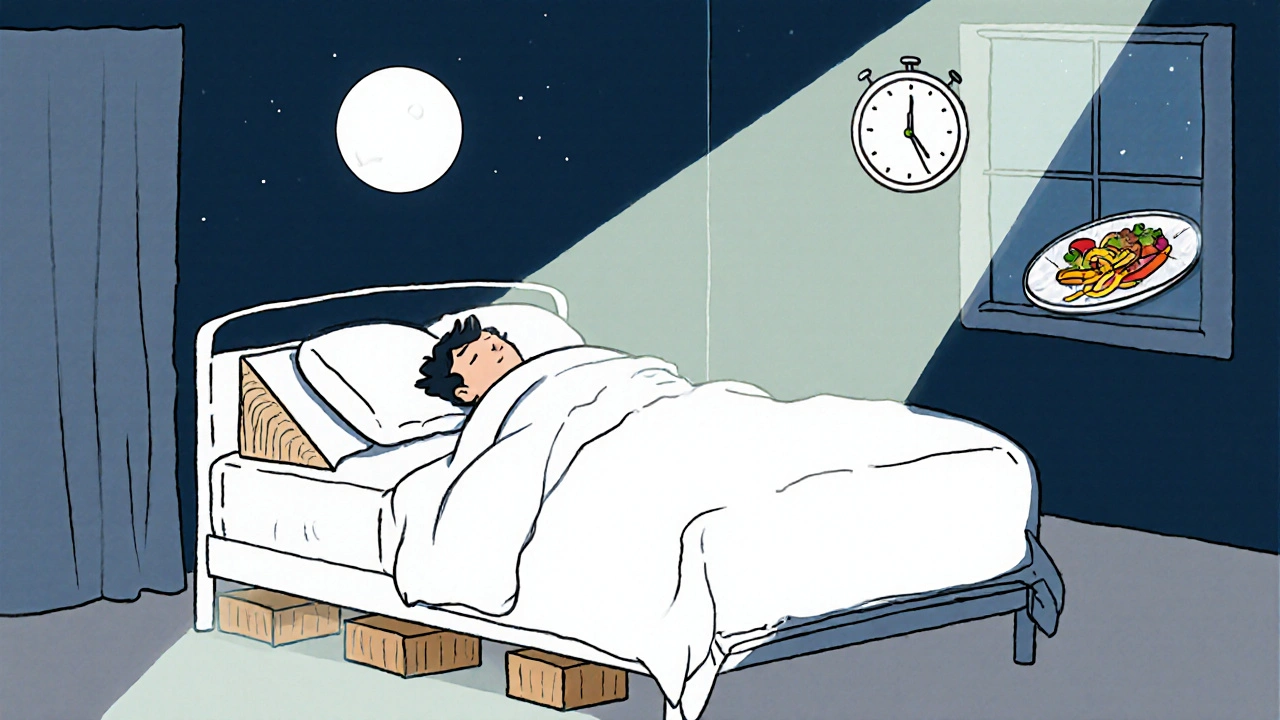
GERD management starts with diet and lifestyle changes, followed by medications like PPIs and newer options like vonoprazan. Surgery may be needed for persistent cases. Learn what triggers reflux and how to control it effectively.
read more