
When you think about measuring sleep, you might picture a lab full of wires and electrodes. But there’s a simpler, quieter tool doctors use more often now: actigraphy, a wearable method that records movement over days or weeks to estimate sleep-wake cycles. Also known as motion-based sleep monitoring, it’s the go-to for tracking how your body moves during rest and activity — without needing a hospital stay. Unlike overnight sleep studies, actigraphy lets you live your normal life while the device collects data — whether you’re at home, at work, or on vacation.
This isn’t just for people with insomnia. circadian rhythm, the body’s internal clock that regulates sleep, hunger, and hormone release disorders like shift work sleep disorder or delayed sleep phase syndrome show up clearly in actigraphy data. It also helps track how well treatments for sleep disorders, conditions like insomnia, narcolepsy, or restless legs syndrome that disrupt normal rest are working over time. A doctor might ask you to wear a small wristband for two weeks — not because you’re being watched, but because real-world movement patterns tell a story no questionnaire can.
What makes actigraphy powerful is its simplicity. The device doesn’t measure brain waves or breathing — it tracks motion. Too much movement at night? Likely poor sleep. Not enough movement during the day? Could mean low energy or depression. These patterns show up in the data, and they help doctors decide if you need medication, light therapy, or just better sleep habits. It’s not perfect — it can’t tell if you’re lying still but awake — but when used with your own notes or other tests, it’s one of the most practical tools we have.
Looking at the posts here, you’ll see how actigraphy ties into real health decisions. It’s not just about sleep — it connects to how medications affect your rest, how chronic conditions like Parkinson’s or depression change your daily rhythm, and even how lifestyle changes like shift work or jet lag impact your body over time. You’ll find posts that dig into drug side effects that mess with sleep, how to interpret movement data from wearables, and what to do when your body’s clock is out of sync. This isn’t theory. It’s what clinicians use every day to help people feel better — and what you can use to understand your own patterns.
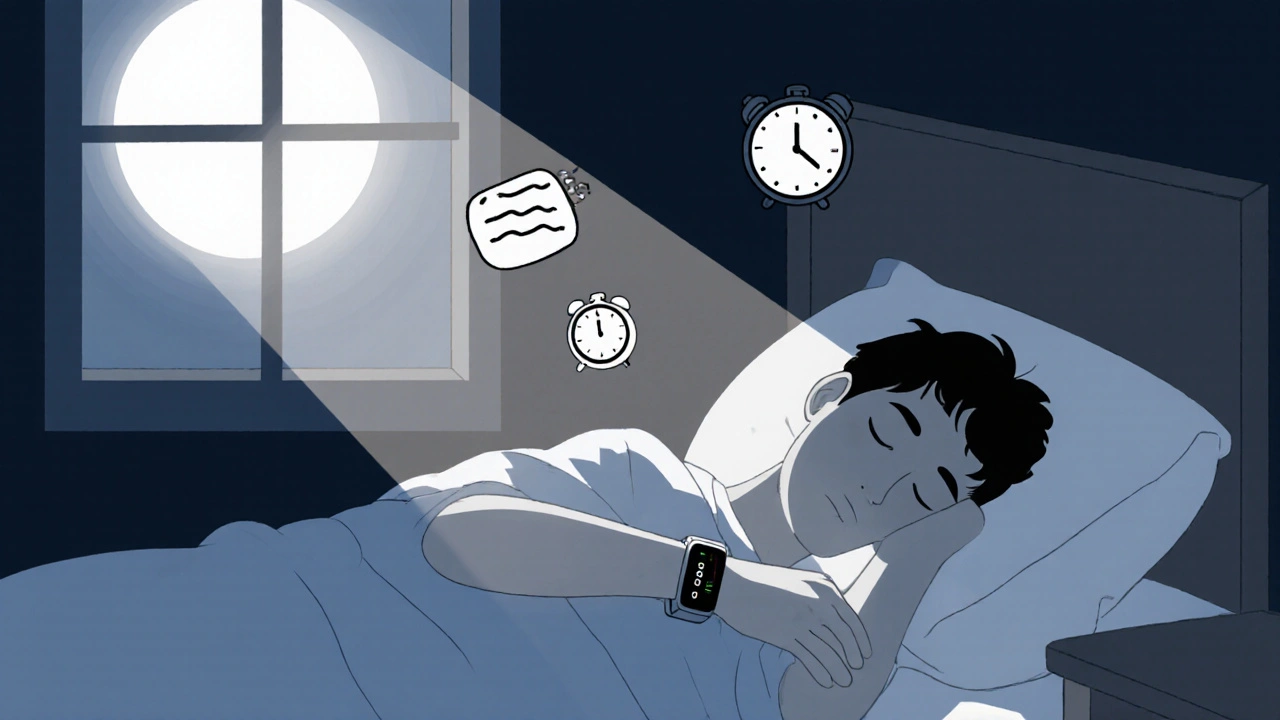
Actigraphy uses motion sensors in wearables to track sleep at home, offering a practical alternative to lab-based sleep studies. Learn how it works, its accuracy limits, and who benefits most from using it.
read more