When you can’t fall asleep, stay asleep, or feel rested after hours in bed, you’re not just tired—you might be dealing with a sleep disorder, a medical condition that disrupts normal sleep patterns and affects physical and mental health. Also known as sleep dysfunctions, these aren’t just bad nights—they’re persistent problems that can lead to high blood pressure, depression, and even heart disease. About one in three adults in the U.S. has trouble sleeping regularly, and many don’t realize their sleep issues are tied to something they’re taking—like a decongestant, an antidepressant, or even a heart medication.
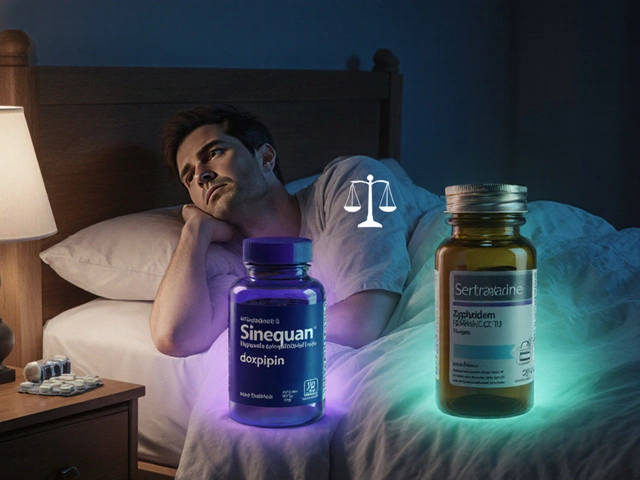
Some sleep disorders, like insomnia, the inability to fall or stay asleep despite having the chance, are often worsened by stress or caffeine. Others, like sleep apnea, a condition where breathing stops and starts during sleep, are physical and need medical intervention. Then there are the hidden culprits: medications. Drugs for blood pressure, depression, asthma, and even allergies can throw off your sleep cycle. For example, nasal decongestants like pseudoephedrine can keep you wired at night, while some antidepressants reduce REM sleep, leaving you feeling unrefreshed. Even acid-reducing meds like PPIs can interfere with magnesium levels, which your body needs to relax into deep sleep.
It’s not just about popping a pill to fall asleep. Real relief comes from understanding what’s causing the problem in the first place. Is it your routine? Your environment? Or a drug you’ve been taking for months without knowing it affects your rest? The posts below dive into exactly that—how medications like those for heart conditions, mental health, and chronic pain can silently sabotage your sleep. You’ll find clear comparisons of treatments, warnings about dangerous combos, and real-life tips to get your rhythm back. No fluff. No guesswork. Just what works—and what to avoid.
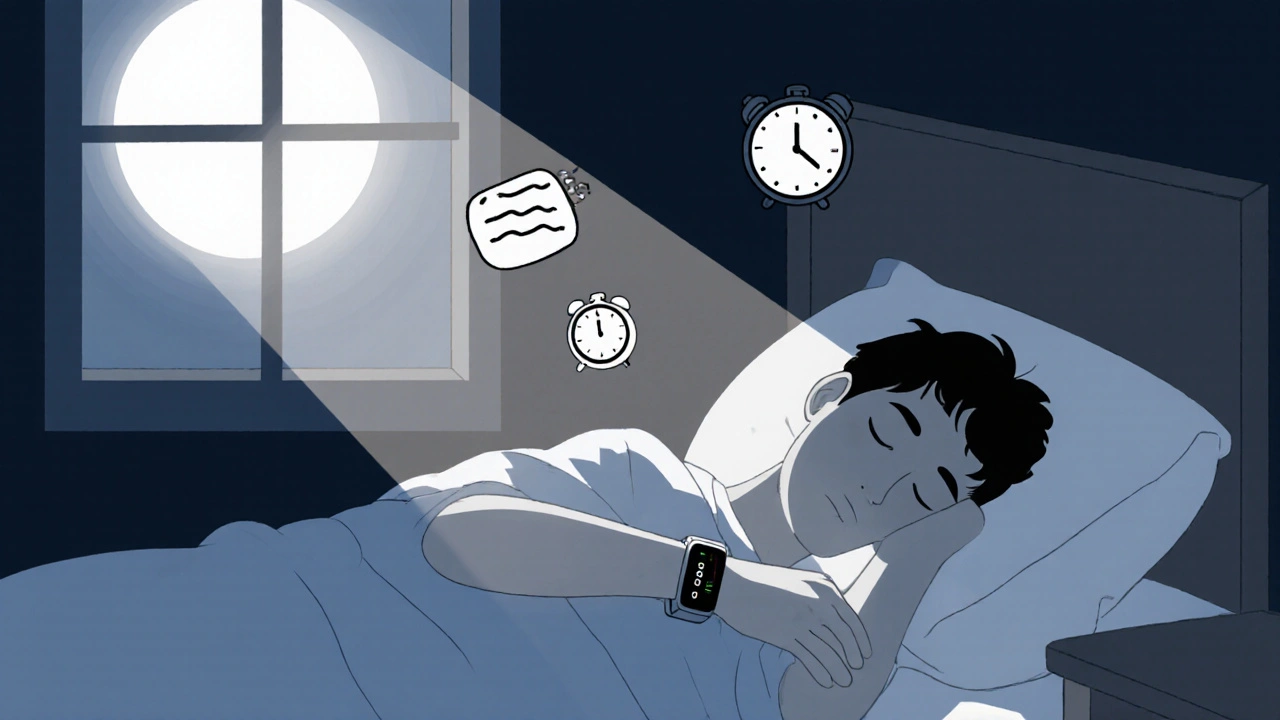
Actigraphy uses motion sensors in wearables to track sleep at home, offering a practical alternative to lab-based sleep studies. Learn how it works, its accuracy limits, and who benefits most from using it.
read more