
Simvastatin Interaction Checker
Select your daily simvastatin dose and any other medications you are currently taking to check for dangerous combinations.
You take your cholesterol pill every morning without a second thought. It’s routine. But what if that routine turns deadly the moment you pick up a prescription for a simple sinus infection or reach for a glass of grapefruit juice? Simvastatin is one of the most widely prescribed medications in history, but it hides a dangerous secret: it plays poorly with many other substances. When combined with certain drugs, foods, or even genetic factors, simvastatin can trigger severe muscle breakdown and liver damage.
This isn’t just theoretical risk. The FDA has issued specific warnings because these interactions are real, frequent, and sometimes fatal. If you are on high-dose simvastatin-or even moderate doses-you need to know exactly what to avoid. Here is the breakdown of the dangerous combinations that healthcare providers watch closely.
The Mechanism: Why Simvastatin Is So Sensitive
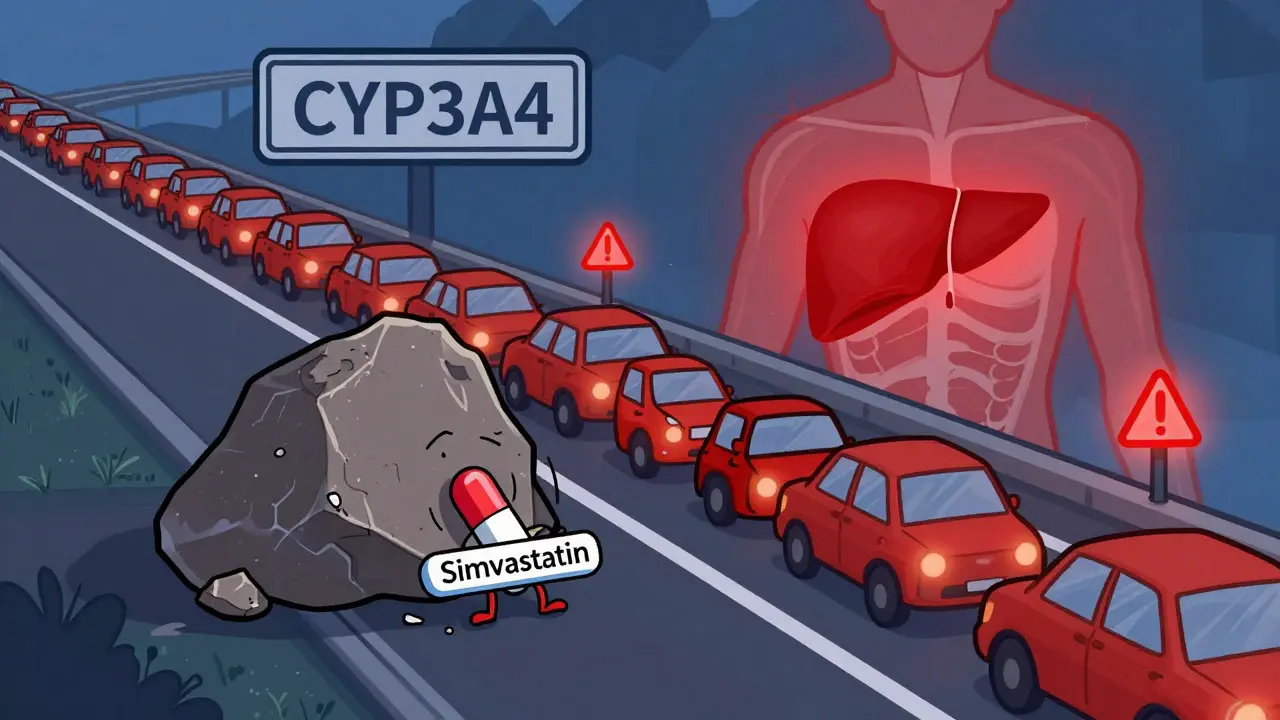
To understand the danger, you have to look at how your body processes the drug. Simvastatin belongs to a class of drugs called HMG-CoA reductase inhibitors, commonly known as statins. Unlike some newer statins that bypass certain metabolic pathways, simvastatin relies heavily on an enzyme called CYP3A4 to break down and exit your system.
Think of CYP3A4 as a busy highway exit ramp. Simvastatin waits in line to leave your bloodstream through this ramp. Now, imagine another substance blocks that ramp. That substance is called a CYP3A4 inhibitor. When the exit is blocked, simvastatin builds up in your blood. Levels can skyrocket, sometimes increasing by over 200%. This overdose-like state doesn’t happen gradually; it can spike quickly after just a few days of taking the interacting medication.
The result is toxic accumulation. Your muscles and liver are exposed to concentrations of the drug far higher than intended. This leads to two primary risks: rhabdomyolysis, a condition where muscle tissue breaks down and releases proteins that can destroy your kidneys, and hepatic injury, which damages liver cells. Understanding this mechanism explains why some interactions are minor annoyances while others require hospitalization.
The 80 mg Dose: A Legacy of Risk
If you are taking the highest dose of simvastatin, you are walking a tighter tightrope. For years, doctors prescribed 80 mg daily to aggressively lower cholesterol. However, data from the SEARCH trial and the FDA Adverse Event Reporting System (AERS) revealed a stark reality: the 80 mg dose carries a significantly higher risk of myopathy compared to lower doses.
| Dosage | Myopathy Rate | FDA Status |
|---|---|---|
| 20-40 mg | 0.08% | Standard use |
| 80 mg | 0.61% | Restricted / Contraindicated with inhibitors |
In June 2011, the FDA issued a major safety communication restricting the use of the 80 mg dose. They found that the risk of fatal rhabdomyolysis was disproportionately high at this level. Today, guidelines recommend against starting new patients on 80 mg. Existing patients should only stay on it if they have been stable for five or more years without issues. For everyone else, the 80 mg dose is effectively off-limits, especially when other medications are involved.
Top Dangerous Drug Combinations
Not all interactions are created equal. Some drugs cause mild bumps in cholesterol numbers, while others send patients to the emergency room. Based on clinical studies and pharmacological data, here are the most critical categories to watch.
Strong CYP3A4 Inhibitors (The "Do Not Mix" List)
These drugs block the CYP3A4 enzyme so effectively that combining them with simvastatin is often contraindicated entirely. If you must take one of these, your doctor will likely tell you to stop simvastatin temporarily or switch to a different statin like pravastatin or rosuvastatin, which do not rely on CYP3A4.
- Macrolide Antibiotics: Drugs like clarithromycin and erythromycin are common prescriptions for respiratory infections. A 2020 population-based study showed that adverse events occurred most frequently with these antibiotics. Patients on simvastatin who were prescribed clarithromycin had significantly longer exposure times and more medical follow-ups due to muscle pain and weakness.
- Azole Antifungals: Medications such as ketoconazole, itraconazole, and voriconazole are used for fungal infections. These are potent inhibitors. The FDA specifically contraindicates using itraconazole with the 80 mg dose of simvastatin due to substantially increased systemic exposure.
- HIV Protease Inhibitors: Drugs like ritonavir, indinavir, and darunavir are essential for HIV management but pose extreme risks when mixed with simvastatin. Even cobicistat, a booster used in HIV regimens, acts as a strong inhibitor.
- Cyclosporine: Used to prevent organ transplant rejection, cyclosporine increases simvastatin levels dramatically. There are documented cases of patients developing rhabdomyolysis shortly after starting cyclosporine while on high-dose simvastatin.
Moderate Risk: Calcium Channel Blockers and Others
Some drugs don’t ban simvastatin outright but force strict dose limits. These include calcium channel blockers used for high blood pressure and heart rhythm issues.
- Diltiazem and Verapamil: If you take these for hypertension or angina, your maximum safe dose of simvastatin drops to 10 mg daily. Exceeding this limit raises the risk of muscle toxicity.
- Amiodarone and Amlodipine: These heart medications also interact via CYP3A4. With amiodarone, the cap is even stricter: no more than 5 mg of simvastatin per day. Amlodipine follows the same 5 mg limit.
- Colchicine: Often used for gout, colchicine has been linked to myopathy when taken with simvastatin, particularly in patients with kidney impairment.
The Grapefruit Juice Trap
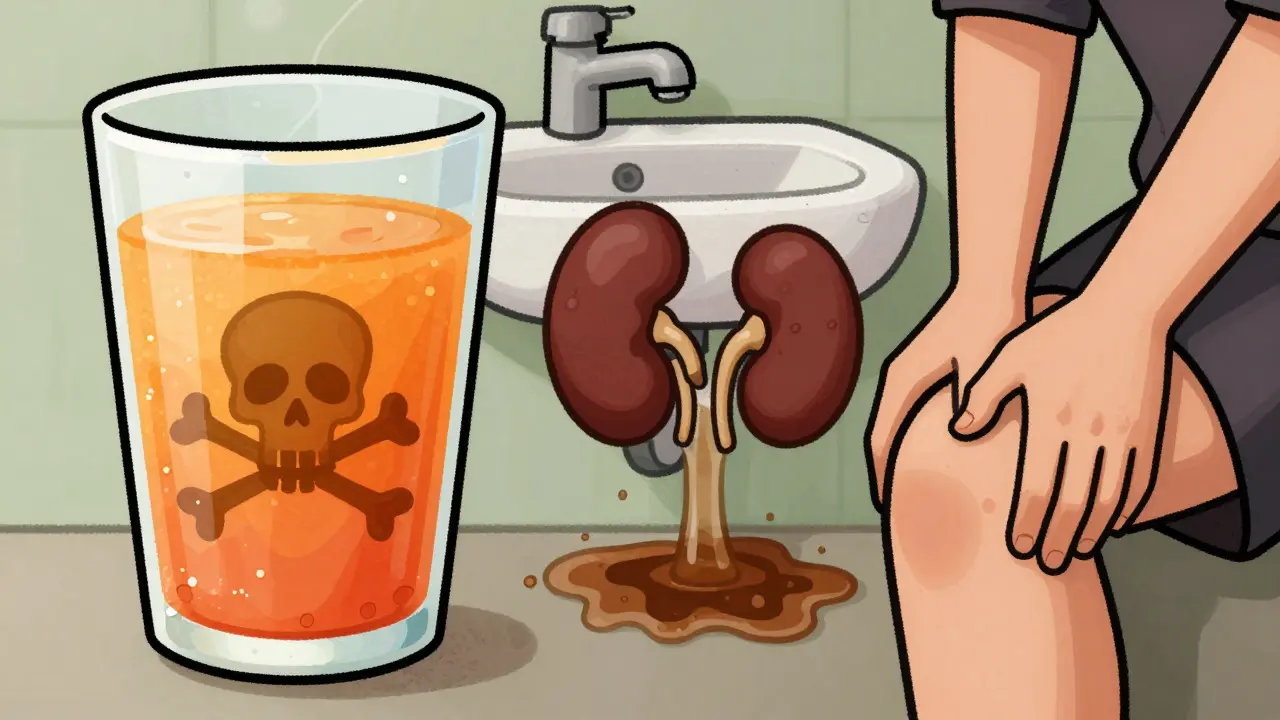
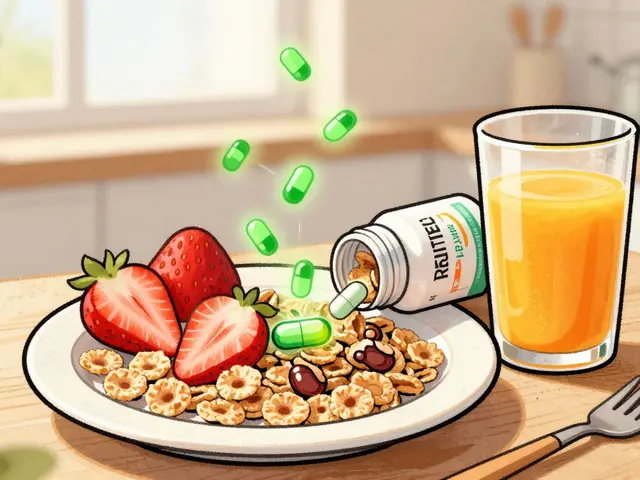
You might think food interactions are negligible, but grapefruit juice is a notable exception. It contains furanocoumarins, compounds that inhibit CYP3A4 in the gut wall. This means the drug never gets broken down before entering your bloodstream.
Studies show that a single serving of grapefruit juice can increase simvastatin blood concentrations by up to 260%. This isn’t about drinking gallons of juice; even 8 ounces can push levels into the danger zone. Despite warnings, research cited by GoodRx indicates that 43% of patients on high-dose simvastatin still consume grapefruit products regularly. The advice is clear: if you take simvastatin, avoid grapefruit juice altogether. Pomelo and Seville oranges contain similar compounds and should be treated with the same caution.
Genetic Factors: The Hidden Variable
Two people can take the same dose of simvastatin with the same diet and have vastly different outcomes. Why? Genetics. Specifically, variations in the SLCO1B1 gene.
This gene codes for a transporter protein that moves simvastatin into the liver. If you have certain variants of SLCO1B1, your liver doesn’t take up the drug efficiently. Instead, it stays in your blood and floods your muscles. Recent guidelines from the American Heart Association suggest considering genetic testing before initiating high-dose therapy. Patients with high-risk variants face up to 4.5 times higher risk of myopathy. While not yet standard practice everywhere, pharmacogenomic testing is becoming a valuable tool for personalized medicine.
Signs You Need Immediate Help
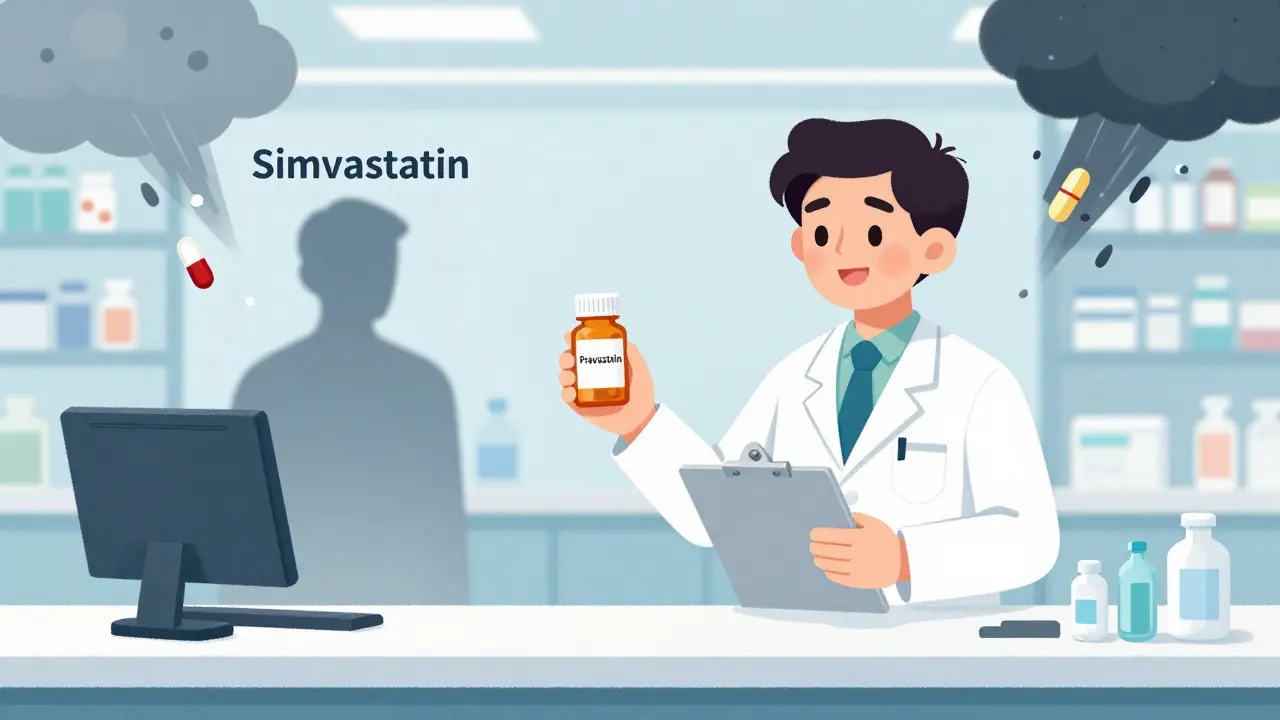
Rhabdomyolysis doesn’t always announce itself with subtle hints. It can escalate rapidly. Know the red flags:
- Unexplained Muscle Pain: Not just soreness from exercise, but deep, persistent ache in large muscle groups like thighs, shoulders, or back.
- Weakness: Difficulty climbing stairs or lifting objects you usually handle easily.
- Dark Urine: Tea-colored or cola-colored urine is a sign that muscle proteins are damaging your kidneys.
- Fatigue and Nausea: General malaise accompanying muscle symptoms.
If you experience these symptoms, do not wait for your next scheduled appointment. Seek medical attention immediately. Early intervention can prevent permanent kidney damage.
Safer Alternatives and Management Strategies
If you are prone to interactions or require multiple medications, simvastatin might not be the best choice. Fortunately, other statins exist that bypass the CYP3A4 pathway.
- Pravastatin: Metabolized differently, making it safer to combine with many interacting drugs.
- Rosuvastatin: Has minimal interaction with CYP3A4 and is highly effective for intensive lipid lowering.
- Pitavastatin: A newer agent with fewer drug-drug interactions, though less commonly prescribed due to cost and availability.
Pharmacists play a crucial role here. Studies show that pharmacy-based intervention programs reduce dangerous simvastatin combinations by 67% in elderly populations. Always ask your pharmacist to screen for interactions when picking up a new prescription. Bring a complete list of all medications, supplements, and even herbal remedies you take.
Can I take simvastatin with aspirin?
Yes, generally speaking. Aspirin does not significantly inhibit CYP3A4 and is commonly prescribed alongside statins for cardiovascular protection. However, always confirm with your provider, especially if you have stomach bleeding risks.
How long does it take for simvastatin interactions to show symptoms?
Symptoms can appear within days of starting an interacting medication. In cases of acute antibiotic use like clarithromycin, severe myopathy has been reported within 72 hours. Regular monitoring is essential during the first few weeks of any new drug combination.
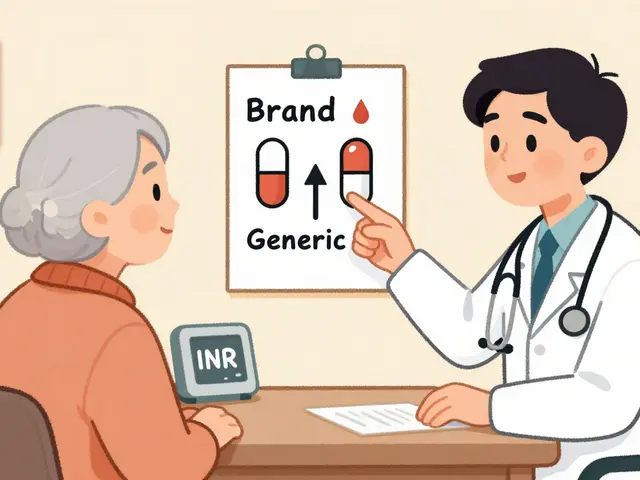
Is generic simvastatin as risky as brand-name Zocor?
No, the risk profile is identical. Generic simvastatin contains the same active ingredient and undergoes the same metabolic pathways. The interaction risks apply regardless of whether you take the brand name or a generic version.
What should I do if I accidentally drink grapefruit juice?
Don’t panic. One small serving is unlikely to cause immediate harm in most people. However, monitor for muscle pain or weakness over the next few days. Avoid regular consumption and consider switching to orange or apple juice instead.
Are there natural supplements that interact with simvastatin?
Yes. St. John’s Wort can actually decrease simvastatin levels by inducing CYP3A4, reducing its effectiveness. Conversely, high doses of CoQ10 are sometimes taken to mitigate muscle side effects, though evidence is mixed. Always disclose supplement use to your doctor.

Terrence spry
I'm a pharmaceutical scientist specializing in clinical pharmacology and drug safety. I publish concise, evidence-based articles that unpack disease mechanisms and compare medications with viable alternatives to help readers have informed conversations with their clinicians. In my day job, I lead cross-functional teams advancing small-molecule therapies from IND through late-stage trials.
view all posts