
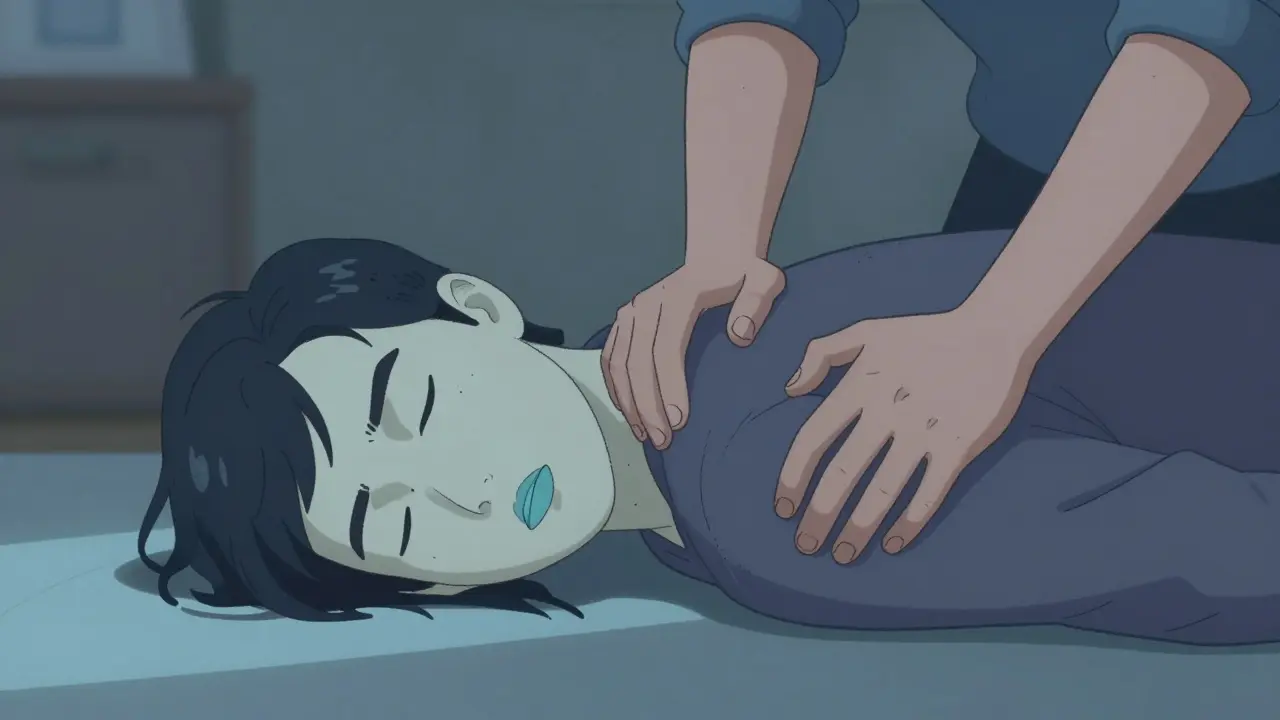
You shake them. You shout their name. Nothing happens. Their breathing is slow, shallow, or has stopped entirely. This is the terrifying reality of an opioid overdose. It doesn't always look like the dramatic scenes in movies; often, it looks like someone sleeping deeply but unable to wake up. The difference between life and death comes down to minutes-and knowing what to do when those minutes count.
Opioid overdoses are a leading cause of death in North America. In the United States alone, more than 112,000 people died from drug overdoses annually as of late 2023, with opioids involved in roughly 78% of those cases. But here is the crucial fact: naloxone, a medication that reverses opioid effects, can save lives if administered quickly. Understanding how to spot the signs and how to use this life-saving tool is not just medical knowledge; it is a community survival skill.
Spotting the Signs: What an Opioid Overdose Looks Like
Recognizing an overdose requires looking for specific physical changes. Opioids affect the part of the brain that controls breathing. When too much enters the system, respiratory depression sets in-meaning breathing slows down so much that the body cannot get enough oxygen. Brain damage can begin after just four minutes without oxygen, making immediate recognition vital.
Key Symptoms of Opioid Overdose: Look for these three primary indicators simultaneously.
- Unresponsiveness: The person cannot be woken up, even when you shake them firmly or shout loudly. They may feel limp or floppy.
- Abnormal Breathing: Breathing is very slow (fewer than 12 breaths per minute), irregular, or has stopped completely. Listen for gurgling sounds or a "death rattle," which indicates fluid in the airways.
- Physical Changes: Pinpoint pupils (tiny dots in the center of the eyes), pale or bluish skin (cyanosis) on lips and fingernails, and cold, clammy skin.
Be aware that cyanosis might look different depending on skin tone. For individuals with darker skin, blue discoloration may appear ashen, grayish, or darkened around the lips and nail beds rather than bright blue. Also, note that fentanyl-a synthetic opioid 50 to 100 times more potent than morphine-is present in 60-80% of illicit drugs tested in many regions. Because it is so strong, overdoses can happen faster and require more aggressive intervention.
Naloxone: How It Works and Why It Saves Lives
Naloxone is an opioid antagonist that rapidly reverses the effects of an overdose by displacing opioids from brain receptors. Developed in 1961 and approved by the FDA in 1971, it has become the standard emergency treatment. Unlike opioids, which bind to receptors and slow breathing, naloxone binds to those same receptors with greater affinity, kicking the opioids off and restoring normal breathing patterns within 2 to 5 minutes.
The beauty of naloxone lies in its safety profile. If you give it to someone who is not experiencing an opioid overdose, nothing happens. It has no effect on non-opioid substances like cocaine, alcohol, or benzodiazepines. This means you do not need to be a doctor to decide whether to use it. If you suspect opioids are involved, administer it. Health Canada and the CDC both emphasize that the risk of not using naloxone far outweighs any potential downside of administering it unnecessarily.
Choosing Your Formulation: Nasal Spray vs. Auto-Injector
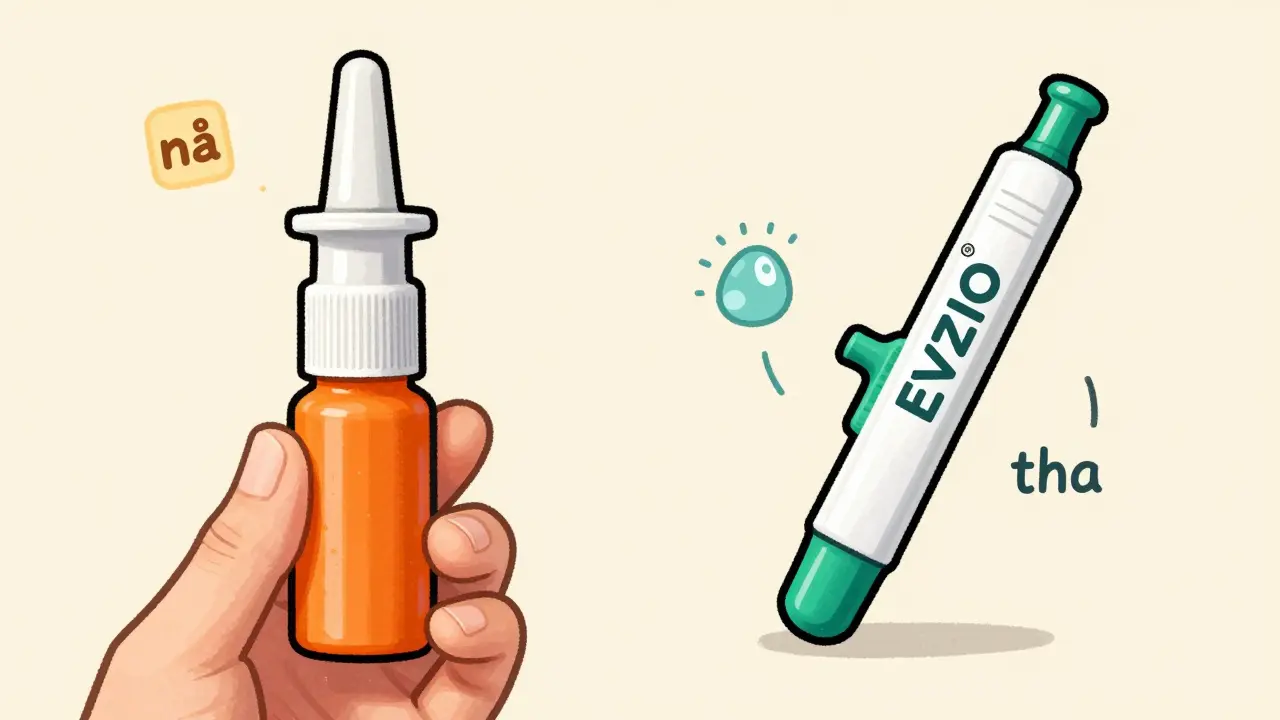
There are several ways to get naloxone, but two formats dominate the market today: intranasal sprays and auto-injectors. As of 2023, naloxone is available without a prescription in all 50 U.S. states and through pharmacy access laws in Canada. Prices vary, typically ranging from $25 to $130 per kit, though generic versions launched in 2022 have helped reduce costs by nearly 40%.
| Feature | Intranasal Spray (e.g., Narcan) | Auto-Injector (e.g., Evzio) |
|---|---|---|
| Administration | Spray into one nostril | Injection into thigh muscle |
| Time to Effect | Peak concentration in 5-10 minutes | Peak concentration in 2-5 minutes |
| Ease of Use | High (no needles, less fear factor) | Moderate (requires handling a needle device) |
| Dose Strength | 4mg per spray (standard); 8mg packs available | 2mg or 4mg per injection |
| Cost Range | $25 - $80 | $100 - $130 |
The intranasal spray is generally preferred for layperson use because it avoids needles and is easier to store. However, auto-injectors may act slightly faster due to direct muscle absorption. Regardless of the type, having *any* naloxone on hand is better than having none.
Step-by-Step: Responding to an Overdose
Panic is natural, but action must be deliberate. Follow this four-step protocol verified by health agencies including the Cleveland Clinic and the Washington State Department of Health.
- Check Responsiveness: Shake the person’s shoulders firmly and shout their name. If they do not respond, assume an overdose.
- Call Emergency Services: Dial 911 immediately. Tell the dispatcher you are witnessing a suspected overdose and that you have naloxone. Good Samaritan laws in most U.S. states and Canadian provinces protect you from prosecution for drug possession when seeking help.
- Administer Naloxone:
- Nasal Spray: Tilt the head back slightly. Insert the nozzle into one nostril and press the plunger firmly to deliver one full dose.
- Injection: Remove the cap and press the tip against the outer thigh. Hold until the device clicks or finishes injecting.
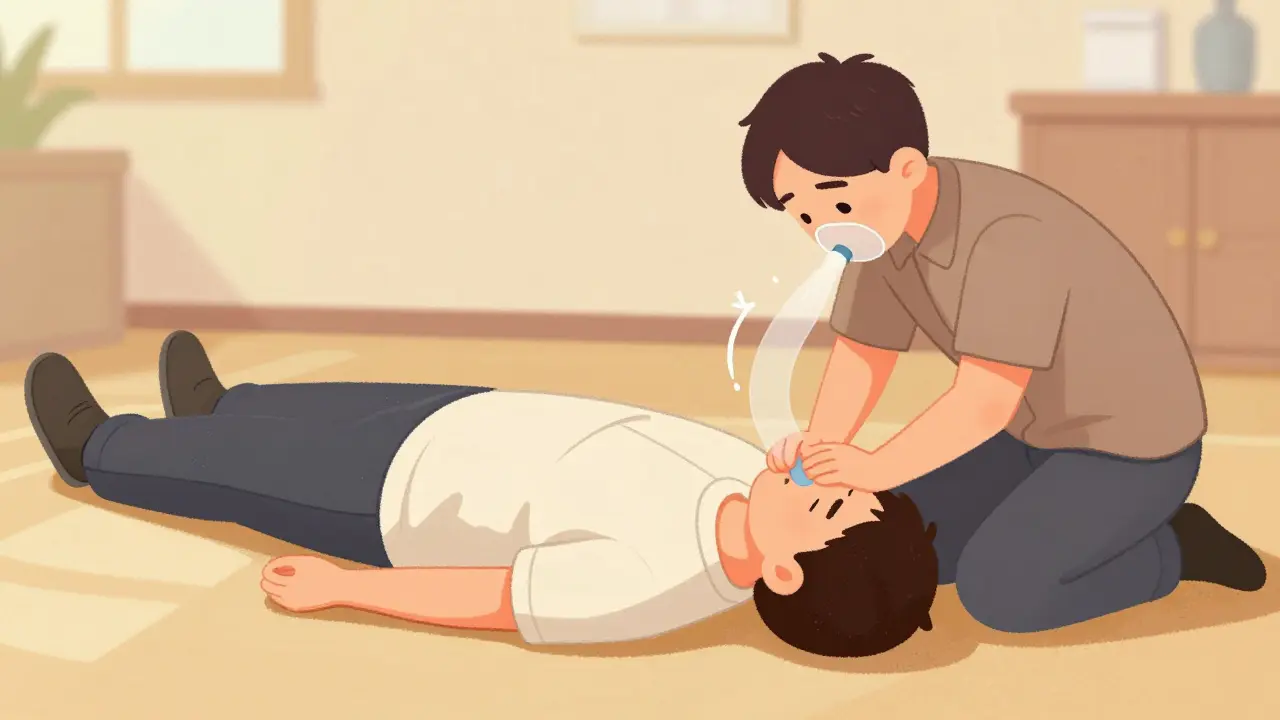
- Monitor and Rescue Breathe: If breathing does not start within 2-3 minutes, give rescue breaths. Tilt the head back, pinch the nose, and seal your mouth over theirs. Blow gently for one second, watching for chest rise. Repeat every 5-6 seconds (10-12 breaths per minute). If they vomit, roll them onto their side (recovery position) to prevent choking.
If there is no improvement after 2-3 minutes, administer a second dose of naloxone. With potent drugs like fentanyl, multiple doses are often necessary because fentanyl stays in the system longer (3-6 hours) than naloxone (30-90 minutes).
Common Mistakes to Avoid
Even well-meaning helpers can make errors that worsen the situation. Here are critical pitfalls to avoid:
- Leaving the Person Alone: Never leave someone after giving naloxone. Its effects wear off faster than many opioids. If the person falls back asleep, they may stop breathing again (rebound overdose). Stay with them until paramedics arrive.
- Putting Them in a Bathtub: Some people try to "sober up" victims in water. This is extremely dangerous. If they vomit while unconscious, they can drown. Keep them on a flat, safe surface.
- Using Stimulants: Coffee, salt, or shaking vigorously will not reverse an opioid overdose. These methods are ineffective and can cause injury or aspiration.
- Assuming Safety After Revival: Even if the person wakes up coughing and confused, they still need medical evaluation. Complications like pulmonary edema (fluid in the lungs) can develop hours later.
Barriers and Real-World Challenges
While naloxone is effective, accessing and using it isn't always simple. A 2022 survey by the National Harm Reduction Coalition found that 32% of respondents cited cost as a barrier to keeping repeat kits at home. Additionally, storage matters: naloxone degrades above 40°C (104°F), so leaving it in a hot car can render it useless.
Fear also plays a role. About 24% of potential rescuers hesitate to call 911 due to concerns about immigration status, parole violations, or legal repercussions. However, Good Samaritan laws exist specifically to address this. In 47 U.S. states, you are protected from minor drug charges when calling for help during an overdose. Knowing your local laws can empower you to act without fear.
Prevention Beyond the Moment
Naloxone saves lives in the moment, but it does not cure addiction. Dr. Nora Volkow, Director of the National Institute on Drug Abuse, notes that reversal must be paired with long-term treatment access. Medication-assisted treatment (MAT) using buprenorphine or methadone reduces overdose risk significantly. Furthermore, carrying fentanyl test strips alongside naloxone allows users to check drugs for potency before use, adding another layer of protection.
Community programs like Next Distro report that 92% of participants retain overdose response skills six months after training. Consider taking a free online course or attending a local workshop. Practicing with trainer devices builds muscle memory, ensuring you can act instinctively under pressure.
How long does naloxone last?
Naloxone typically lasts between 30 to 90 minutes. Many opioids, especially fentanyl, remain in the body for 3 to 6 hours. This mismatch means a person can slip back into an overdose once the naloxone wears off. Always monitor the individual and be prepared to administer additional doses if breathing slows again.
Can I buy naloxone without a prescription?
Yes. As of 2023, all 50 U.S. states allow pharmacists to dispense naloxone without a patient-specific prescription. Many pharmacies also offer standing orders, meaning anyone can walk in and purchase it. In Canada, provincial regulations similarly support open access through pharmacies and community organizations.
What should I do if the person vomits?
Immediately roll the person onto their side into the recovery position. This keeps the airway clear and prevents choking on vomit. Continue monitoring their breathing. If they are not breathing, begin rescue breaths while maintaining the side-lying position as best as possible, or turn them back briefly to deliver breaths if necessary.
Is it safe to give naloxone if I'm not sure it's an opioid overdose?
Yes. Naloxone only affects opioid receptors. If the person is overdosing on stimulants like cocaine or alcohol, naloxone will have no effect but also causes no harm. Given the high prevalence of polysubstance use, erring on the side of caution and administering naloxone is recommended by health experts worldwide.
Where can I find free naloxone training?
Organizations like Next Distro, SAMHSA, and local harm reduction coalitions offer free online courses and in-person workshops. These programs teach recognition, administration, and rescue breathing. Many libraries and community centers also host distribution events where you can receive both the medication and hands-on practice with trainer devices.
Terrence spry
I'm a pharmaceutical scientist specializing in clinical pharmacology and drug safety. I publish concise, evidence-based articles that unpack disease mechanisms and compare medications with viable alternatives to help readers have informed conversations with their clinicians. In my day job, I lead cross-functional teams advancing small-molecule therapies from IND through late-stage trials.
view all posts