
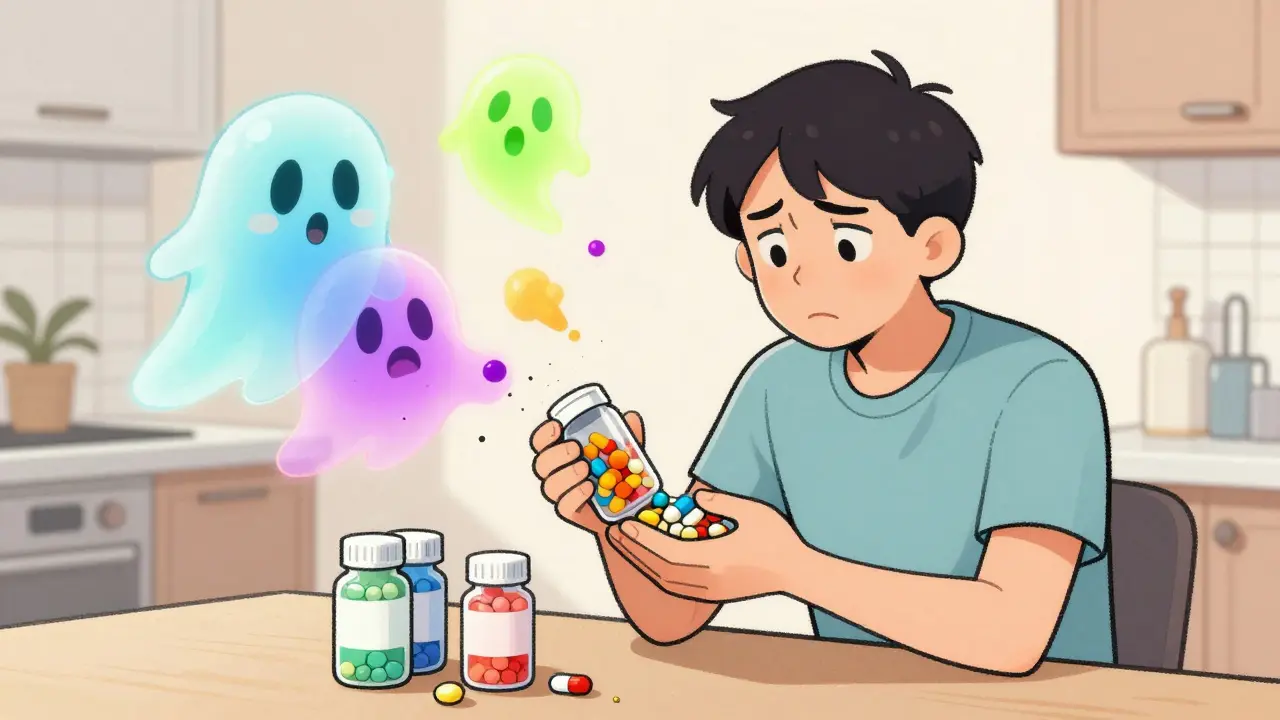
You take your morning pills. Maybe it’s three. Maybe it’s seven. You assume they’re safe because a doctor prescribed them and the pharmacy dispensed them. But what if the problem isn’t the medicine itself? What if it’s the filler, the binder, or the dye hiding inside each tablet?
This is the reality of inactive ingredient interactions in generic medication combinations where non-active components from multiple drugs create adverse effects when taken together. Most people focus on active pharmaceutical ingredients (APIs). They check for drug-drug interactions. Fewer consider that taking five different generic medications might mean ingesting five different sets of excipients-some of which could clash with your body’s sensitivities.
Key Takeaways
- Generic drugs must match brand-name potency but can use completely different inactive ingredients (excipients).
- Polypharmacy patients (taking 5+ meds) face cumulative exposure to fillers like lactose, propylene glycol, and dyes.
- Adverse reactions to excipients affect 0.5-2% of users generally, but up to 10% in sensitive groups like asthmatics exposed to bisulfites.
- Pharmacists can help by checking DailyMed and FDA databases for specific NDC codes to identify hidden allergens.
- New regulations in 2024-2026 aim to improve transparency, but proactive patient advocacy remains essential today.
The Hidden Load of Generic Medications
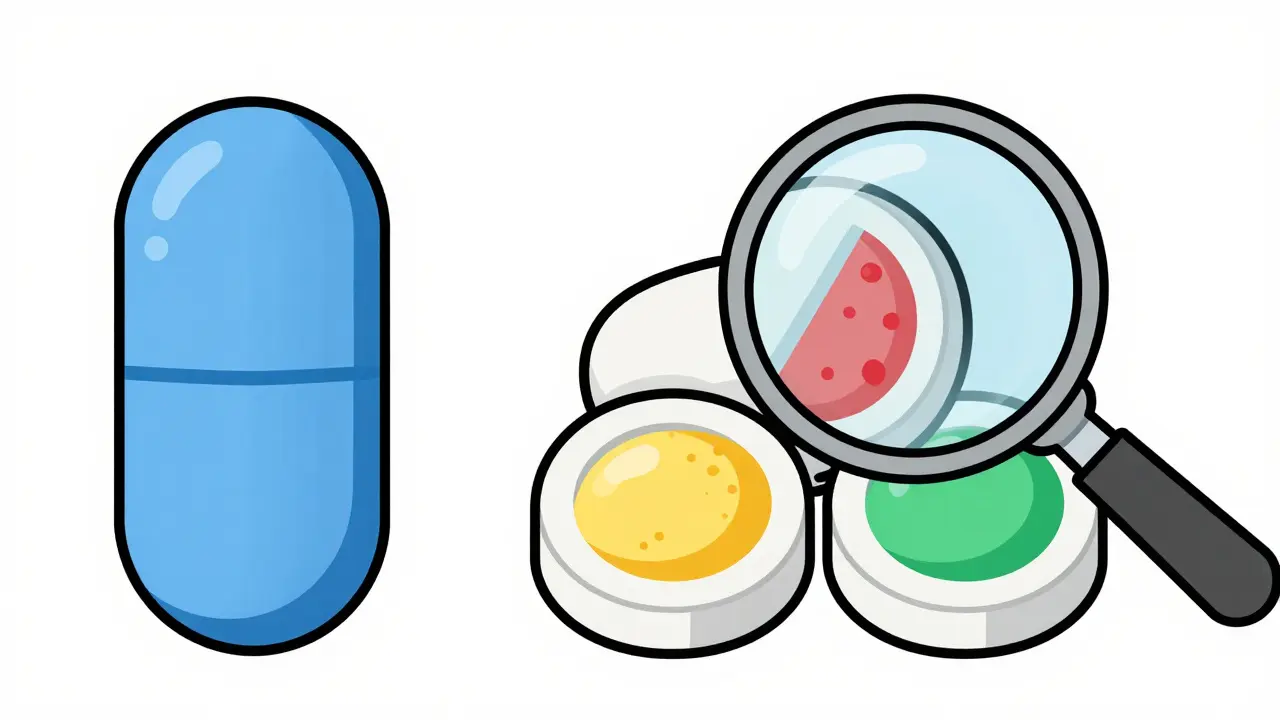
Let’s clear up a misconception first. “Inactive” doesn’t mean harmless. It just means these ingredients don’t treat your disease. They hold the pill together, control how fast it dissolves, or keep it from spoiling. The U.S. Food and Drug Administration (FDA) lists fillers, binders, disintegrants, lubricants, coloring agents, flavoring agents, and preservatives as standard excipients.
When you take one generic drug, this load is usually manageable. But modern healthcare often involves polypharmacy-the concurrent use of multiple medications. A 2020 study published in PubMed Central (PMC7122736) dropped a startling figure: a patient taking 10 prescription medications ingests an average of 2.8 grams of inactive ingredients daily.
Think about that. Nearly six pounds of non-medicinal substances every year. If those substances include common irritants, your body is under constant, low-grade stress. This isn’t theoretical. With approximately 90% of U.S. prescriptions now filled with generics, the opportunity for these silent interactions has skyrocketed since the Hatch-Waxman Act of 1984 streamlined generic approval.
Why Generics Vary So Much
Here is the core issue: Bioequivalence rules only care about the active ingredient. To get approved, a generic must deliver the same amount of API into your bloodstream within 80-125% of the reference brand-name drug’s parameters. The FDA does not require generics to match the inactive ingredients of the brand name, nor do they need to match each other.
This creates a fragmented landscape. A 2021 analysis by the FDA’s Inactive Ingredient Database found 27 different inactive ingredient combinations across just the generic versions of levothyroxine sodium tablets. That’s 27 different chemical cocktails delivering the same thyroid hormone.
Manufacturers choose their own excipients based on cost, manufacturing ease, and stability. One company might use microcrystalline cellulose; another might use lactose. Both are legal. Both are common. But if you are lactose intolerant, that choice matters immensely.
| Excipient | Prevalence in Meds | Primary Risk Group | Symptoms of Reaction |
|---|---|---|---|
| Lactose | Very High (Tablets/Capsules) | Lactose Intolerant (~65% global pop.) | Bloating, diarrhea, gas |
| Propylene Glycol | 46% of Oral Liquids | Renal impairment, Alcoholics | Metabolic acidosis, CNS depression |
| Tartrazine (Yellow #5) | Common in Colorful Pills | Dye Sensitives (~4%) | Hives, asthma exacerbation |
| Bisulfites | Inhalers/Liquids | Asthmatics (5-10%) | Bronchospasm, anaphylaxis |
Cumulative Exposure: The Silent Trigger
Single-pill sensitivity is rare. Cumulative exposure is where things go wrong. Imagine you have mild lactose intolerance. You can handle a glass of milk occasionally, but you feel fine taking one generic blood pressure pill that contains 50mg of lactose. No problem.
Now add a generic statin with 50mg of lactose. Then a generic antidepressant with 50mg. Suddenly, you’re hitting 150mg per dose, potentially exceeding your personal tolerance threshold without realizing why. You blame your diet. You blame stress. You rarely blame the pills.
Dr. Shuhan He of Harvard Medical School, lead author of the PMC7122736 study, emphasized that many allergic reactions to inactive ingredients are Type I hypersensitivity reactions. These involve histamine release, leading to urticaria (hives), angioedema (swelling), bronchospasm, and even anaphylaxis. When multiple medications contain the same allergen, the reaction severity can escalate unpredictably.
Real-world data supports this. A 2022 survey by the National Community Pharmacists Association found that 23% of pharmacists encounter at least one patient per month with suspected adverse reactions to inactive ingredient combinations. On Reddit’s r/pharmacy community, user u/MedSafetyWatcher described developing severe gastrointestinal symptoms after starting three new generic meds containing lactose, despite tolerating each individually before.
Brand vs. Generic: Is the Original Safer?
It’s tempting to switch back to brand names if you suspect excipient issues. Brand-name medications often maintain consistent inactive ingredient profiles across batches. However, this comes at a steep price. According to 2023 CMS data, generics are typically 80-85% less expensive than their brand counterparts.
Is the extra cost worth it for safety? Not always. Research published in PMC7122736 documented cases where different inactive ingredients actually affected drug absorption rates. In some antiepileptic drugs, peak plasma concentration varied by 15-20% between brand and generic formulations due to excipient differences. Sometimes, the generic works better for your specific biology. Other times, the brand is more stable.
The European Medicines Agency (EMA) acknowledges that a generic’s inactive ingredients, name, appearance, and packaging can differ from the reference product. This variability creates confusion. If you switch manufacturers mid-treatment-a common occurrence in insurance networks-you might suddenly react to a new excipient introduced by the new supplier.
How to Protect Yourself: A Practical Checklist
You don’t need a chemistry degree to manage this risk. You need a strategy. Here is how to navigate inactive ingredient interactions in your current regimen.
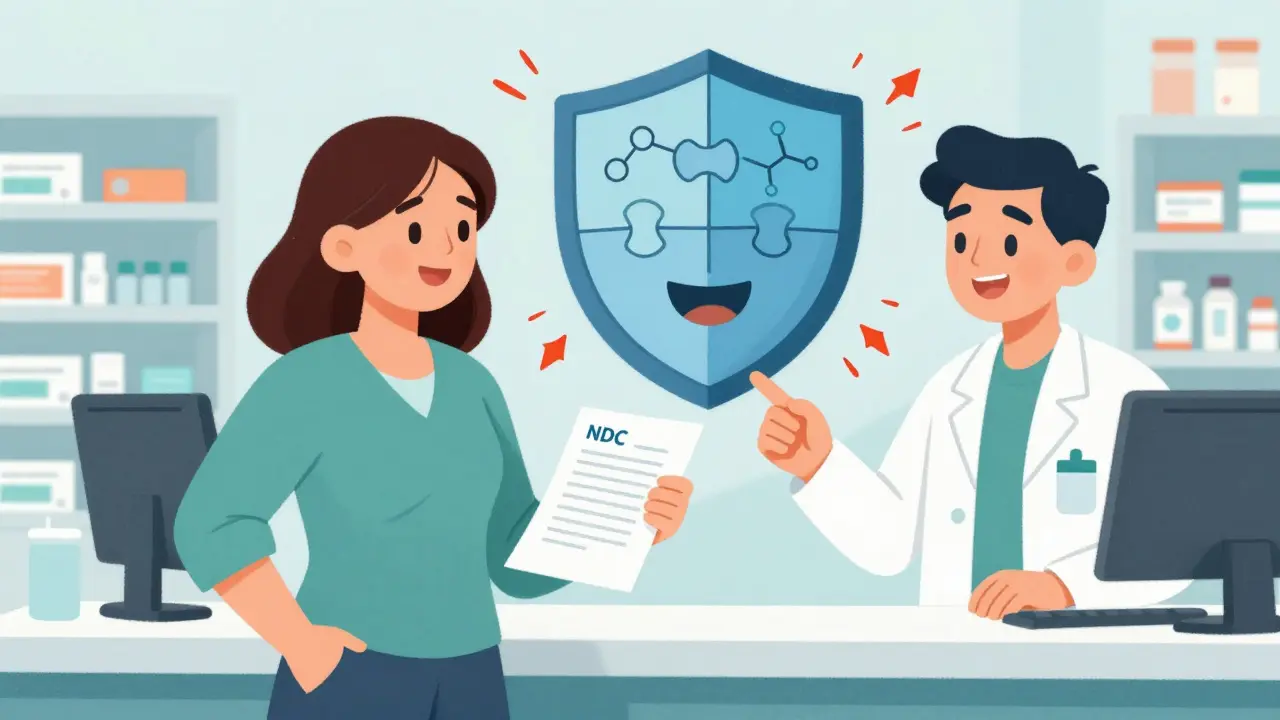
- Gather Your NDC Codes: Every medication bottle has a National Drug Code (NDC). Write these down. They are unique identifiers for specific manufacturer formulations.
- Check DailyMed: Visit DailyMed.gov (used by 87% of hospital pharmacists). Enter your NDC codes. Look for the “Inactive Ingredients” section. Note any recurring substances like lactose, magnesium stearate, or dyes.
- Calculate Cumulative Load: If you see lactose in three different pills, add up the milligrams per day. Compare this against your known tolerance levels. For lactose-intolerant individuals, reactions can occur with as little as 1-2g daily, though most tolerate up to 12g.
- Talk to Your Pharmacist: Don’t just ask for refills. Ask, “Are there alternative generic manufacturers for these drugs that avoid [specific excipient]?” Pharmacists have access to formulary tools that can suggest compatible switches.
- Monitor for Subtle Symptoms: Unexplained GI distress, skin rashes, or reduced medication effectiveness (reported in 18% of FAERS cases linked to excipients) may be clues. Keep a symptom diary correlated with medication changes.
The American Society of Health-System Pharmacists notes that identifying these interactions requires specialized training. While most retail pharmacists are busy, asking specifically about “excipient compatibility” signals that you are informed. This shifts the conversation from routine dispensing to clinical review.
Regulatory Shifts and Future Outlook
The industry is waking up to this issue. The generic pharmaceutical market was valued at $187.8 billion globally in 2022, projected to hit $233.6 billion by 2027. As polypharmacy rises with aging populations, so does the risk.
In January 2024, the FDA launched the “Inactive Ingredient Transparency Initiative.” By December 2025, manufacturers will be required to disclose all inactive ingredients in digital product labeling. This should make searching easier for patients and providers alike.
Europe is moving faster. Effective January 1, 2024, the EMA requires European generic manufacturers to provide “detailed justification” when using excipients known to cause hypersensitivity in more than 0.1% of the population. The European Commission also plans to mandate “excipient interaction risk assessments” for combination therapies by 2026.
Technology is helping too. AI-powered tools like MedCheck AI (released Q3 2023) analyze prescription combinations for potential excipient interactions with 89.7% accuracy. While not yet standard in every pharmacy, these tools represent the future of personalized medication safety.
Without improved standardization, the IMS Institute for Healthcare Informatics predicts adverse events related to inactive ingredient interactions could increase by 15-20% over the next decade. This could cost the U.S. healthcare system an additional $2.3 billion annually by 2030. Prevention is cheaper than treatment.
Do generic drugs have different inactive ingredients than brand names?
Yes. The FDA only requires generic drugs to match the active ingredient's bioequivalence (80-125% range). Inactive ingredients like fillers, binders, and dyes can vary significantly between brand-name drugs, different generic manufacturers, and even different batches of the same generic.
What are the most common inactive ingredients that cause reactions?
Lactose (affects ~65% of people with some intolerance), propylene glycol (common in liquids), tartrazine/Yellow #5 (dye affecting ~4% of patients), and bisulfites (triggering asthma in 5-10% of asthmatics) are among the most problematic excipients identified in clinical studies.
How much inactive ingredient am I consuming if I take multiple medications?
A 2020 study found that patients taking 10 prescription medications ingest an average of 2.8 grams of inactive ingredients daily. This cumulative load can exceed individual tolerance thresholds for sensitive excipients like lactose or gluten derivatives.
Can I request a specific generic manufacturer to avoid certain excipients?
You can discuss alternatives with your pharmacist. While insurance formularies often dictate which generic is dispensed, pharmacists can sometimes substitute a different manufacturer’s version if it avoids a specific allergen. Check DailyMed for NDC-specific ingredient lists to guide this conversation.
Are brand-name medications safer regarding inactive ingredients?
Brand-name drugs often have more consistent inactive ingredient profiles across batches. However, they are not inherently free of problematic excipients. Some generics may actually use fewer additives. Safety depends on the specific formulation and your individual sensitivities, not just the brand status.




Terrence spry
I'm a pharmaceutical scientist specializing in clinical pharmacology and drug safety. I publish concise, evidence-based articles that unpack disease mechanisms and compare medications with viable alternatives to help readers have informed conversations with their clinicians. In my day job, I lead cross-functional teams advancing small-molecule therapies from IND through late-stage trials.
view all posts