
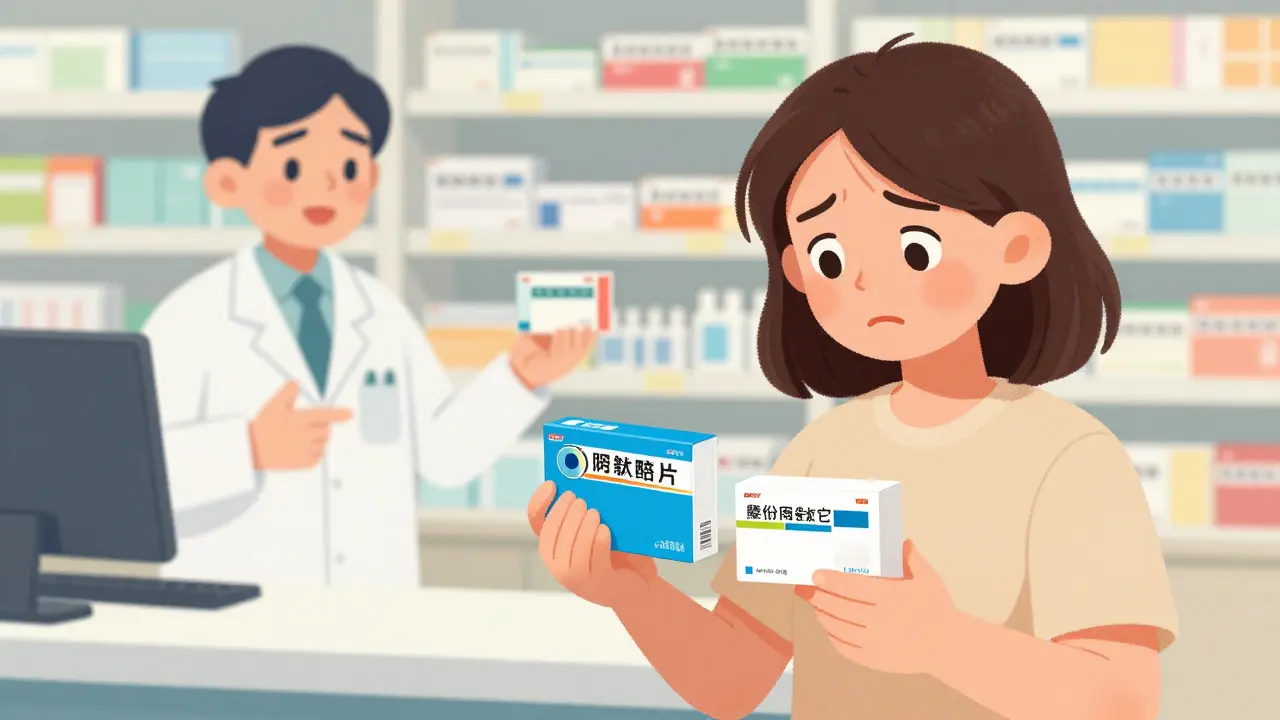
Imagine your child has been stable on a specific asthma inhaler or seizure medication for years. Their symptoms are under control, and their routine is predictable. Then, without much warning, the pharmacy hands you a different box. The color is different. The shape is different. Even the taste might be off. This is the reality of child medication switches, a growing phenomenon driven by insurance cost-cutting measures that often overlook the unique physiological needs of developing bodies.
While generic drugs have saved the healthcare system billions, the assumption that they are always perfectly interchangeable in children is flawed. Children are not just small adults; their metabolism, organ function, and ability to tolerate inactive ingredients differ significantly. When insurers force these switches-known as Non-Medical Formulary Switching (NMFS)-the stakes are higher than just a change in brand name. For many families, it means navigating a minefield of potential side effects, adherence issues, and clinical uncertainty.
The Myth of Perfect Interchangeability in Pediatrics
To understand why switching matters, we first need to look at how generics are approved. The FDA requires generic drugs to meet bioequivalence standards established by the Hatch-Waxman Act of 1984. In simple terms, this means the generic must deliver the same active ingredient into the bloodstream within a specific range compared to the brand-name drug. Specifically, the pharmacokinetic parameters must fall between 80% and 125% of the reference product.
For most healthy adults taking common medications like ibuprofen or amoxicillin, this 20% variance window is harmless. But for children, especially those with chronic conditions, this margin can be dangerous. The FDA’s own documentation from 2018 notes that the Biopharmaceutics Classification System (BCS), which streamlines generic approvals, was "specifically designed for adults." It does not account for the fact that pediatric populations differ in both physiologic and pharmacokinetic characteristics.
Consider a 3-month-old infant. Their liver enzymes, such as CYP2C19 and CYP3A4, are not fully mature. A proton pump inhibitor like omeprazole, cleared by these enzymes, may behave differently in a baby than in an adult. If a pharmacist substitutes a generic suspension for a brand-name version based on adult data, the therapeutic outcome could vary wildly. As Dr. Jeffery S. Barrett, a clinical pharmacology expert, asked in FDA materials: "Are the kinetics known for a 3 month old patient? Is omeprazole suspension therapeutically equivalent to Prevacid® for 3 month olds?" The answer, too often, is "we don't know because we haven't tested it specifically in infants."
High-Risk Categories: Narrow Therapeutic Index Drugs
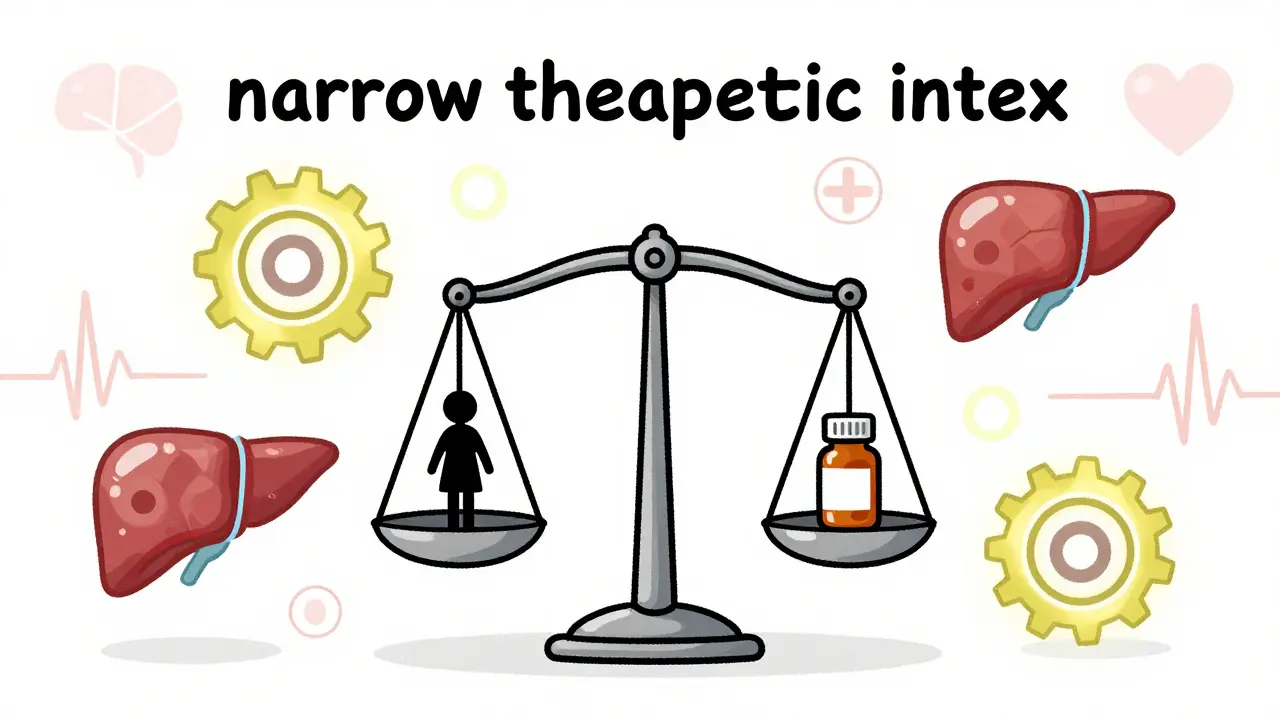
Not all medications carry the same risk when switched. The danger spikes dramatically with drugs that have a narrow therapeutic index (NTI). These are medications where the difference between a helpful dose and a toxic dose is very small. For children, the FDA identifies several categories of specific concern:
- Anti-epileptic drugs (AEDs): Such as phenytoin, used to control seizures.
- Immunosuppressants: Like tacrolimus, critical for transplant patients.
- Cardiac drugs: Including warfarin for blood clotting issues.
- Psychoactive drugs: Antidepressants and ADHD medications.
Research published in Pediatric Transplantation by Duong et al. (2015) highlighted a stark example. Pediatric heart transplant recipients who were switched from the brand-name Prograf to generic tacrolimus experienced, on average, a 14% lower blood trough concentration. In a world where maintaining precise drug levels prevents organ rejection, a 14% drop is not a minor fluctuation-it is a life-threatening event. Despite this evidence, many insurance formularies still allow automatic substitution for these high-stakes drugs.
The Hidden Cost: Adherence and Caregiver Confusion
Beyond pharmacology, there is the human factor. Children rely on routine, and caregivers rely on consistency. PolicyLab at the Children's Hospital of Philadelphia has extensively studied Non-Medical Formulary Switching (NMFS). They define it as insurers limiting coverage to cheaper alternatives to negotiate lower prices. While financially logical for payers, it creates chaos for families.
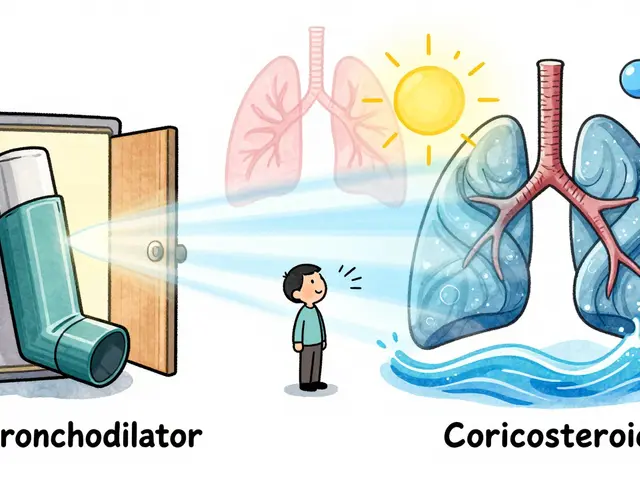
A 2020 study found that adherence rates dropped by 15-20% following formulary switches. Why? Because of caregiver confusion. If the pill changes color, shape, or size, parents worry they are giving the wrong medicine. If the taste of a liquid antibiotic changes, a toddler who previously tolerated it may now refuse it entirely. For children with asthma-the most common chronic condition in kids, affecting 6.2 million US children according to CDC 2022 data-this disruption is particularly risky. Asthma management relies heavily on consistent use of maintenance medications. Any break in adherence can lead to exacerbations and emergency room visits.
Furthermore, device changes matter. If a switch involves an inhaler, the new device might require a different technique. Without proper education from a pharmacist, drug delivery can drop by 50-80%. PolicyLab emphasizes that pharmacists should receive notifications to teach families how to use new devices before dispensing, yet this step is frequently skipped in the rush of daily pharmacy operations.
| Factor | Brand-Name Medication | Generic Medication |
|---|---|---|
| Active Ingredient | Identical | Identical |
| Inactive Ingredients | Consistent formulation | May vary between manufacturers; potential allergens |
| Bioequivalence Standard | N/A (Reference) | 80-125% range (based on adult studies) |
| Pediatric Testing | Often required for approval | Rarely required; relies on adult data extrapolation |
| Cost | Higher | Significantly lower (saves healthcare system billions) |
| Switching Risk | Low (if staying on same brand) | Variable; higher for NTI drugs and young children |
Regulatory Gaps and State Variations
If you think the rules for medication switching are uniform across the country, you would be mistaken. A 2020 cohort study in JAMA Internal Medicine examined all 50 states and Washington, DC, finding substantial variation in generic substitution rules. Here is how the landscape breaks down:
- 19 states require pharmacists to perform generic substitution automatically.
- 7 states and Washington, DC require explicit patient consent before switching.
- 31 states and Washington, DC mandate patient notification, but this is often buried in fine print or packaging inserts.
This patchwork regulatory environment directly impacts access and safety. Research by Shrank et al. (2009) demonstrated that states requiring patient consent had 25% lower generic substitution rates. This suggests that when families have a voice, unnecessary switches decrease. However, in states with automatic substitution, parents are often unaware until they open the bottle.
The federal government has made moves to address these gaps. The 2012 FDA Safety and Innovation Act included pediatric provisions, and the 2022 Pediatric Formulation Initiative aims to improve appropriate formulations for children. Yet, implementation is slow. Between 2013 and 2020, only 68% of new drug applications included pediatric formulations despite requirements. More alarmingly, only 12% of generic drug approvals between 2010 and 2020 included pediatric-specific bioequivalence studies.
Practical Steps for Parents and Providers
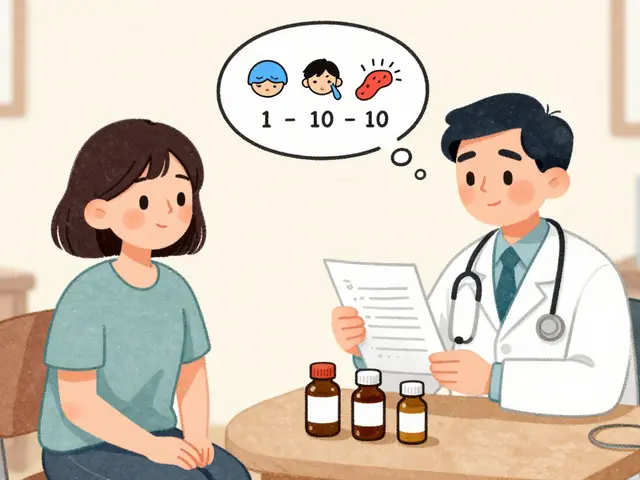
So, what can you do if you are facing a medication switch for your child? First, never assume silence means consent. If your insurance notifies you of a formulary change, read it. If your pharmacist hands you a different box, ask questions. Are the inactive ingredients different? Does my child have any allergies to dyes or fillers?
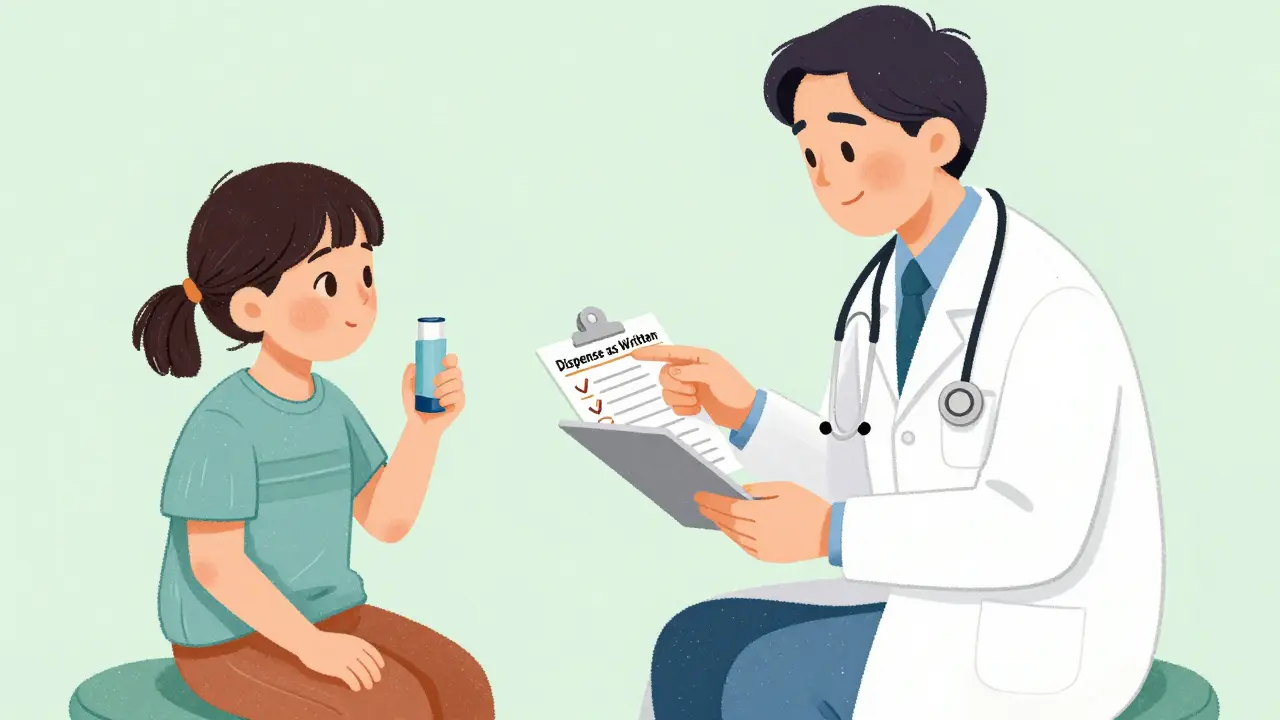
Second, communicate with your pediatrician. If your child is on a narrow therapeutic index drug like phenytoin or tacrolimus, discuss the risks of switching. In some cases, doctors can write "Dispense as Written" (DAW) on the prescription to prevent automatic substitution. While this may increase out-of-pocket costs, it can prevent costly hospitalizations or disease flare-ups.
Third, monitor closely after any switch. Keep a log of symptoms, side effects, and behavioral changes. If your child’s asthma worsens, their seizures become harder to control, or their mood shifts unexpectedly, contact your provider immediately. Do not dismiss these changes as coincidental.
Finally, advocate for better policies. Support organizations like the American Academy of Pediatrics (AAP), which is developing updated clinical practice guidelines for generic prescribing in pediatrics. The AAP has noted that switching brand-name products to generics can present a "lost opportunity for pediatric research." By demanding more rigorous testing and transparent communication, we can ensure that cost-saving measures do not come at the expense of our children’s health.
What is bioequivalence in generic drugs?
Bioequivalence means that a generic drug delivers the same amount of active ingredient into the bloodstream over the same period as the brand-name drug. The FDA requires this to be within an 80-125% range. However, these standards are primarily based on adult studies, which may not accurately reflect how children metabolize medications due to differences in liver enzyme maturity and body composition.
Are generic drugs safe for children?
Generally, yes, generic drugs are safe and effective for most children. However, for medications with a narrow therapeutic index (like anti-seizure or transplant drugs), or for infants with immature metabolic systems, switching can pose higher risks. Inactive ingredients also vary between manufacturers, which can cause allergic reactions or affect taste adherence in picky eaters.
Why do insurance companies switch medications?
Insurance companies use Non-Medical Formulary Switching (NMFS) to reduce costs. By negotiating lower prices with generic manufacturers or alternative brand names, they save money. While this benefits the healthcare system financially (saving trillions since 2009), it can disrupt care for children with chronic conditions who rely on consistent medication regimens.
Can I stop my doctor from prescribing a generic?
Yes, in many cases. You can ask your doctor to specify "Dispense as Written" (DAW) or "Brand Medically Necessary" on the prescription. This instructs the pharmacist not to substitute a generic. Be aware that your insurance may charge a higher copay for the brand-name version, so check with your provider about potential out-of-pocket costs.
What are Narrow Therapeutic Index (NTI) drugs?
NTI drugs are medications where a small change in blood concentration can lead to treatment failure or toxicity. Examples include phenytoin (for seizures), warfarin (blood thinner), and tacrolimus (immunosuppressant). Switching between brands and generics for these drugs requires careful monitoring and is often discouraged without medical supervision due to the high risk of adverse outcomes.


Nicholas Bowling
June 2, 2026 AT 11:58 AMits just pills bro why are you making such a huge deal out of this
Henri-Paul Soulodre
June 3, 2026 AT 18:34 PMThe sheer audacity of these pharmaceutical corporations and insurance vultures is absolutely staggering. They look at a child, a developing human being with fragile systems, and they see nothing but a line item to be optimized for quarterly earnings. It is morally repugnant that we allow Non-Medical Formulary Switching to occur without explicit consent, treating our children's health as a variable in a cost-benefit analysis rather than a fundamental right. The fact that the FDA allows an 80-125% variance window based on adult data is not just negligent; it is a betrayal of the Hippocratic oath by extension. We are gambling with lives because executives want to save pennies. This is not healthcare; this is exploitation wrapped in bureaucratic jargon. I am furious that parents have to fight like lions just to get their kids the consistent medication they need to survive. It is a disgrace to our society that profit outweighs pediatric safety.
Daniel Tremblay
June 4, 2026 AT 04:03 AMOh please. Spare me the dramatics about 'vultures' and 'betrayals.' You sound like a conspiracy theorist who thinks the government is hiding alien technology. The truth is simple: generics work. If they didn't, the entire global healthcare system would have collapsed decades ago. The 80-125% rule exists because that range is clinically insignificant for the vast majority of patients. You're focusing on edge cases-like transplant patients or specific seizure disorders-to paint a picture of widespread disaster that simply doesn't exist for the average kid taking amoxicillin. Also, blaming 'corporations' is lazy thinking. Insurance companies are businesses. Their job is to manage risk and cost. If you don't like it, move to a country with universal single-payer healthcare where the state makes those decisions instead of private insurers. Until then, stop whining and accept that medicine is not magic, it's chemistry, and chemistry has margins of error.
Adelaide Motata
June 4, 2026 AT 15:08 PMi mean its not that hard to understand really. most people here dont even know what bioequivalence means so they just panic when the pill color changes. its funny how everyone acts like their kid is special but then refuses to do the basic research on inactive ingredients. if your kid can handle a slight change in fillers then tough luck. the system works for millions of people so maybe stop acting like its the end of the world. also tacrolimus levels dropping is a known issue but doctors monitor that anyway so its not like anyone dies instantly. its all just noise from people who want free brand name drugs because they think generic is inferior quality which it isnt. get over it.
Mike Crump
June 6, 2026 AT 01:28 AMI hear you all, and honestly, there is a lot of passion here which shows how much we care about our little ones. Let’s try to bridge this gap though. Daniel, you’re right that generics are the backbone of affordable care, and Henri-Paul, you’re spot on that the current system lacks empathy for complex cases. Here’s the thing: it’s not black and white. For my nephew, switching his ADHD meds caused a meltdown because the texture was different. He couldn’t swallow it. So while the active ingredient was fine, the delivery failed. But for my niece’s asthma, the generic inhaler worked perfectly once her mom showed her how to use the new device. It’s about communication. Pharmacists need to step up. Parents need to ask questions. Doctors need to write DAW when necessary. We can demand better policies without burning down the whole system. Let’s advocate for more pediatric-specific testing, not just ban generics. That way we keep costs low but safety high. What do you think? Can we find a middle ground?
Samantha Arbuckle
June 7, 2026 AT 16:15 PMthis post is super important 🌟 i feel like so many parents are walking around scared and confused and no one is talking about it openly. the part about the 14% drop in tacrolimus levels blew my mind 😱 imagine that happening to your baby. it makes me so angry that insurance companies treat us like numbers. we need to stand together and demand better. let’s share our stories so others know they are not alone. 💪❤️
Jay Foreman
June 8, 2026 AT 12:56 PMLook, I’m not a doctor, but I’ve been reading up on this because my daughter has epilepsy. The article says phenytoin is a narrow therapeutic index drug, right? Well, last year my pharmacy switched her without asking. Her seizures got worse. We had to go to the ER. The doctor said it was likely the switch. So yeah, for some of us, this isn’t theoretical. It’s real life. And the worst part? The pharmacist didn’t even tell us. He just handed us the box. I felt so helpless. I’m glad I found this post. Now I know to ask for DAW. Thanks for sharing this info. It’s scary stuff.
Cathy N
June 9, 2026 AT 08:53 AMi totally agree with jay. it feels like we are always fighting the system just to keep our kids healthy. the lack of notification is the biggest issue for me. if they are going to switch something that affects my child i deserve to know before i buy it. not after. it is disrespectful to the caregiver role. we trust the pharmacy to help us not set us up for failure. i hope the new guidelines from the AAP actually make a difference because right now it feels like we are on our own.