
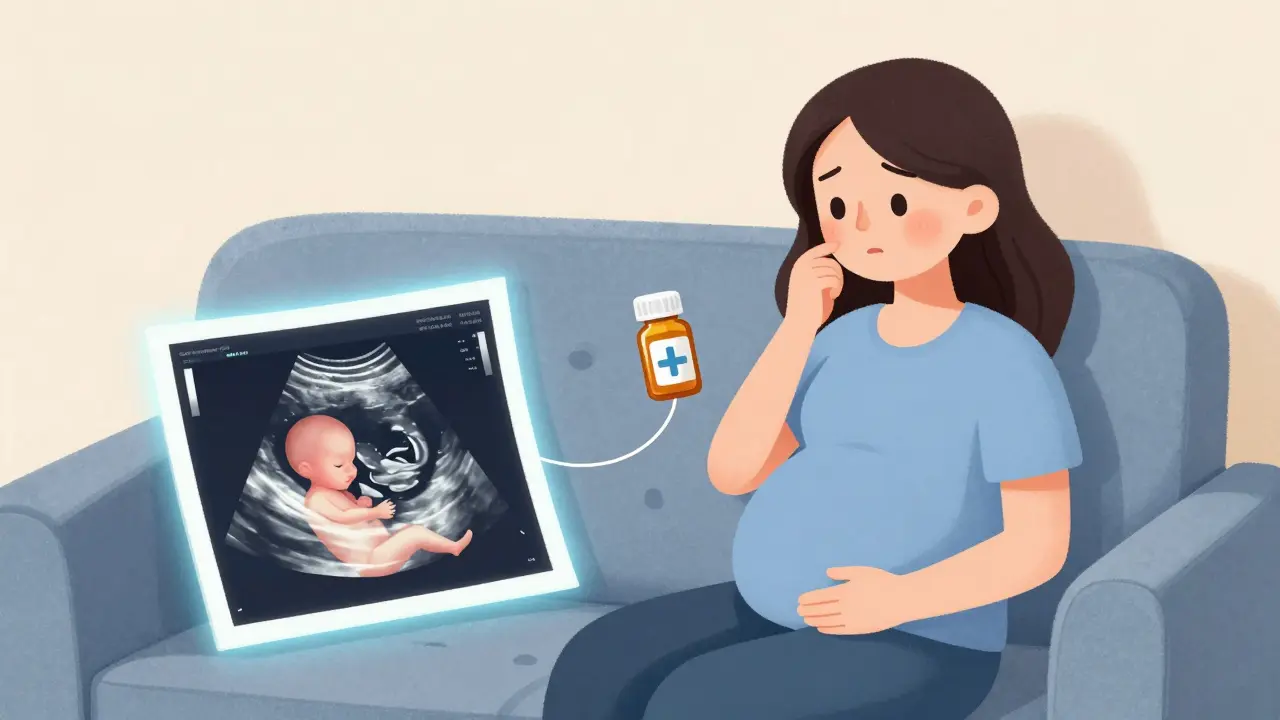
Imagine finding out you are pregnant while taking a daily pill for anxiety or insomnia. The immediate question that hits most women is simple but terrifying: will this medication harm my baby? For those prescribed benzodiazepines, the answer isn't a straightforward yes or no. It’s a complex balancing act between treating severe maternal mental health conditions and potential risks to fetal development.
Benzodiazepines are powerful sedatives commonly used to treat anxiety, panic disorders, and sleep issues. They work by slowing down brain activity. While they can provide crucial relief for mothers struggling with debilitating symptoms, these drugs cross the placenta easily. This means whatever you take goes straight to your developing fetus. Recent large-scale studies have shed new light on exactly what that exposure might mean for your child’s health.
Understanding the Core Risks
The primary concern revolves around congenital malformations-structural defects present at birth. For years, data was mixed, leaving doctors and patients guessing. However, a landmark 2022 nationwide cohort study published in PLOS Medicine, which analyzed over 3.1 million pregnancies in South Korea, provided some of the clearest data to date. The study found that using benzodiazepines during the first trimester was associated with a small but statistically significant increase in the risk of overall malformations.
Specifically, the relative risk (RR) for any major malformation was 1.08. In plain English, this means there is an 8% higher relative risk compared to unexposed pregnancies. But relative risk can be misleading if you don’t look at absolute numbers. The absolute risk increase is modest. For every 1,000 women exposed to benzodiazepines in the first trimester, approximately 8 additional cases of major congenital malformations occurred compared to unexposed women.
Heart defects were another area of concern. The same study showed a relative risk of 1.14 for heart defects. This translates to about 14 additional cases per 1,000 exposed pregnancies. While these numbers sound alarming, it is vital to remember that the baseline risk of having a baby with a birth defect is already low. Most babies born to mothers who took benzodiazepines are healthy.
Specific Defects Linked to Specific Drugs
Not all benzodiazepines carry the same risk profile, and not all defects are equally likely. Older data from the CDC’s National Birth Defects Prevention Study (covering 1997-2011) highlighted specific associations that newer studies have begun to corroborate. These findings suggest that the type of benzodiazepine matters significantly.
| Defect Type | Associated Drug | Risk Metric (Odds Ratio) | Source Context |
|---|---|---|---|
| Anophthalmia/Microphthalmia (Eye defects) | Alprazolam | Crude OR 4.0 | CDC NBDS Study |
| Esophageal Atresia/Stenosis | Alprazolam | Adjusted OR 2.7 | CDC NBDS Study |
| Pulmonary Valve Stenosis | Lorazepam | Crude OR 4.1 | CDC NBDS Study |
| Dandy-Walker Malformation (Brain) | General Benzodiazepines | Crude OR 3.1 | CDC NBDS Study |
Alprazolam appears to be the most problematic agent regarding specific structural defects. The CDC study found strong links between alprazolam use and eye defects (anophthalmia or microphthalmia) as well as esophageal issues. Lorazepam was linked to pulmonary valve stenosis, a heart condition affecting blood flow. Dandy-Walker malformation, a rare brain development disorder, also showed elevated odds with general benzodiazepine exposure.
However, context is key. These Odds Ratios (OR) come from smaller case-control studies where the total number of exposed cases was very low (only 0.8% of the control group). While the relative increase is high, the absolute number of babies affected remains tiny. A 2023 study in the British Journal of Clinical Pharmacology actually found no significant association between benzodiazepine exposure and minor or major congenital malformations in their cohort. This contradiction highlights why medical advice varies so much-it depends on which study your doctor prioritizes.
Beyond Birth Defects: Other Pregnancy Outcomes
Structural defects are only part of the story. Benzodiazepine exposure has been linked to other adverse pregnancy outcomes that may impact both mother and child. A major 2024 study in JAMA Psychiatry focused heavily on miscarriage rates.
The findings were stark: benzodiazepine use during pregnancy was associated with an 85% higher risk of miscarriage after accounting for measurable confounders like age and smoking status. This suggests that the drug itself, or the underlying severe anxiety it treats, may destabilize early pregnancy maintenance. Additionally, earlier research indicated an increased risk of ectopic pregnancy when exposure occurred in the 90 days before conception.
If the pregnancy continues to term, neonatal complications become the focus. Meta-analyses by Grigoriadis et al. documented increased risks for:
- Preterm birth
- Low birth weight
- Small for gestational age (SGA)
- Low Apgar scores at 5 minutes
- Neonatal Intensive Care Unit (NICU) admission
The Confounding Factor: Why Is It Hard to Know?
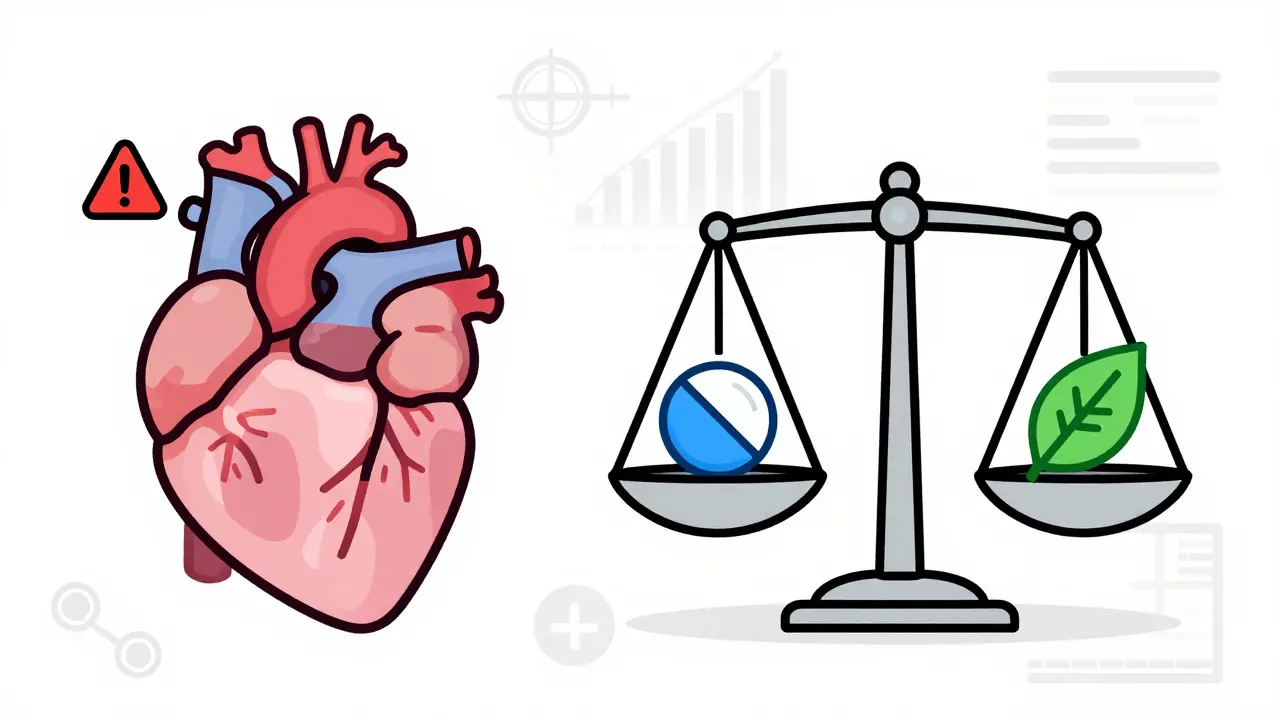
You might wonder why studies disagree so much. The biggest hurdle in this research is "confounding by indication." This means it is difficult to tell if the bad outcome was caused by the drug or by the untreated illness itself.
Severe, untreated anxiety and insomnia are not harmless. Chronic stress releases cortisol, a hormone that can disrupt fetal development. Women with severe psychiatric disorders also face higher risks of poor nutrition, substance use, and lack of prenatal care. When researchers see a link between benzodiazepines and birth defects, they must ask: Did the pill cause the defect, or did the severe, unmedicated anxiety cause it?
The PLOS Medicine study attempted to solve this by using negative control analyses and massive sample sizes, suggesting their estimates were unlikely to be due to residual confounding. Yet, the debate continues. This uncertainty forces doctors to make individualized judgments rather than relying on one-size-fits-all rules.
What Do Guidelines Say?
Given the mixed evidence, major health organizations offer cautious, nuanced advice. They do not universally ban benzodiazepines, nor do they endorse them freely.
- American College of Obstetricians and Gynecologists (ACOG): Recommends avoiding benzodiazepines during the first trimester when possible due to potential teratogenic effects. If used, it should be for short-term treatment only.
- FDA: Classifies benzodiazepines as Pregnancy Category D, meaning there is positive evidence of human fetal risk, but benefits may outweigh risks in certain situations.
- European Medicines Agency (EMA): Advises avoiding use in the first trimester unless absolutely necessary.
- American Psychiatric Association (APA): Suggests a case-by-case assessment, considering the specific drug, dose, and timing.

Making Your Decision: Risk vs. Benefit
If you are currently taking benzodiazepines and find out you are pregnant, do not stop cold turkey. Abrupt withdrawal can cause seizures, severe rebound anxiety, and stress that may harm the pregnancy more than the medication itself.
Instead, engage in a detailed conversation with your obstetrician and psychiatrist. Ask these specific questions:
- Can we switch to a safer alternative? Some antidepressants (like SSRIs) have more robust safety data, though they carry their own risks.
- Can we lower the dose? The PLOS Medicine study showed a dose-response relationship, meaning higher doses (>2.5 mg/day lorazepam-equivalent) carried higher risks.
- Are non-drug therapies available immediately? Can I start CBT or counseling this week?
- Which specific benzodiazepine am I on? Alprazolam seems to carry higher specific defect risks than others.
Looking Ahead
Research is ongoing. The International Pregnancy Safety Study Consortium launched a prospective cohort study in 2024 tracking 5,000 pregnant women with benzodiazepine exposure. This data, expected through 2026, aims to clarify the risks of specific dosing regimens and timing. Until then, transparency with your healthcare team is your best tool. You deserve care that respects both your mental well-being and your baby’s safety.
Is it safe to take benzodiazepines during the first trimester?
Most guidelines recommend avoiding benzodiazepines during the first trimester if possible, as this is when organ formation occurs. Studies show a small increased risk of birth defects, particularly heart defects and specific anomalies linked to alprazolam. However, if the medication is essential for managing severe anxiety or preventing seizures, the benefits may outweigh the risks under strict medical supervision.
Do all benzodiazepines carry the same risk?
No. Research suggests that alprazolam (Xanax) may be associated with higher risks for specific defects like eye abnormalities and esophageal atresia compared to other benzodiazepines. Lorazepam has been linked to pulmonary valve stenosis. However, data is limited for many agents, so individual risk profiles vary.
Can benzodiazepines cause miscarriage?
Yes, recent large-scale studies indicate an association between benzodiazepine use and an increased risk of miscarriage. One 2024 JAMA Psychiatry study found an 85% higher relative risk of miscarriage among users, even after adjusting for confounders. The exact mechanism is unclear but may involve direct fetal effects or the severity of the underlying condition.
What happens if I stop taking benzodiazepines suddenly?
Stopping abruptly can be dangerous. Withdrawal symptoms can include seizures, severe anxiety, insomnia, and tremors. This physiological stress can negatively impact the pregnancy. Always taper off benzodiazepines gradually under the guidance of a healthcare provider.
Are there safer alternatives for anxiety during pregnancy?
Non-pharmacological treatments like Cognitive Behavioral Therapy (CBT) are considered first-line options. If medication is necessary, some SSRIs (selective serotonin reuptake inhibitors) have more extensive safety data in pregnancy, though they also carry risks. The choice depends on your specific medical history and severity of symptoms.
Does the dose matter?
Yes. Studies have shown a dose-response relationship, meaning higher daily doses are associated with higher risks of malformations. Using the lowest effective dose for the shortest duration is a common clinical strategy to minimize risk.



Terrence spry
I'm a pharmaceutical scientist specializing in clinical pharmacology and drug safety. I publish concise, evidence-based articles that unpack disease mechanisms and compare medications with viable alternatives to help readers have informed conversations with their clinicians. In my day job, I lead cross-functional teams advancing small-molecule therapies from IND through late-stage trials.
view all posts