
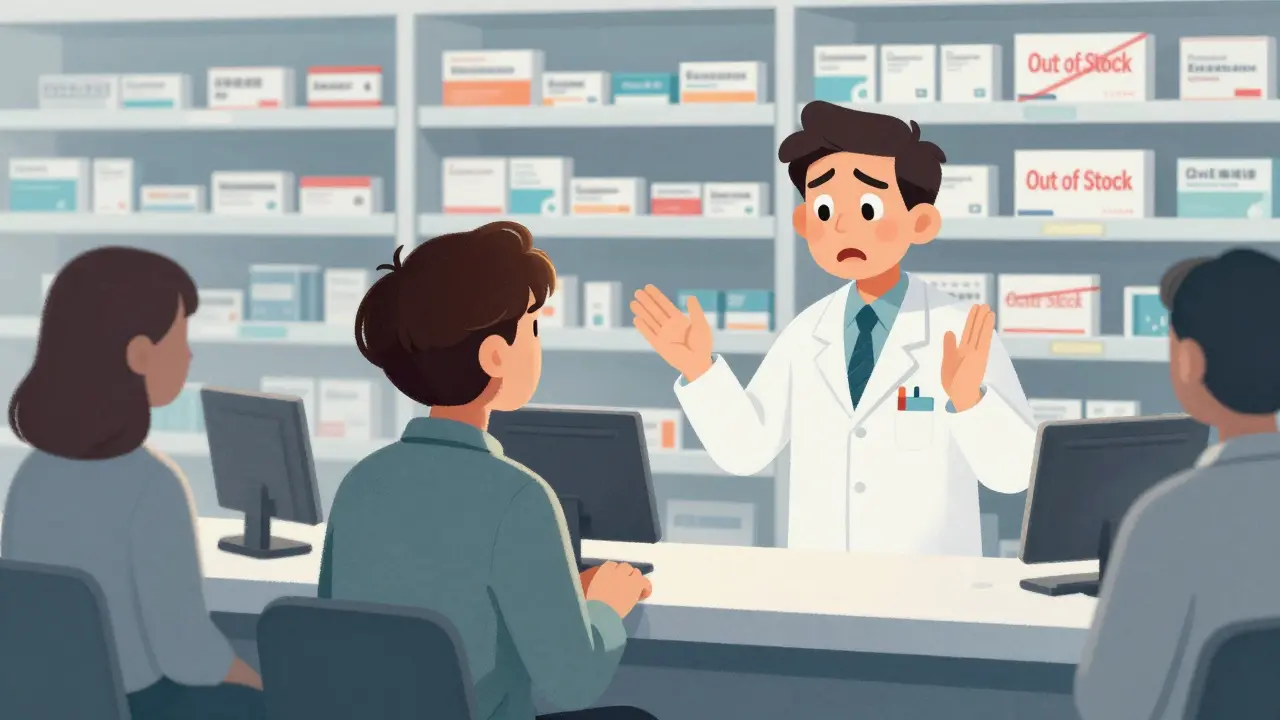
You walk into your pharmacy expecting a routine refill for blood pressure medication or antibiotics. Instead, the pharmacist tells you it’s unavailable. You try another location-same story. This isn’t an isolated incident; it is part of a growing crisis that affects millions of Americans every year. Generic drug shortages are periods when demand for a medication exceeds its available supply due to manufacturing disruptions, quality failures, or supply chain bottlenecks. As of mid-2025, there were 270 active drug shortages in the United States, with generic medications accounting for the vast majority of these gaps.
The problem didn’t start overnight. Around 2007-2008, annual drug shortages began climbing sharply from historical averages of 60-70 per year to over 250 by 2011-2012, according to data tracked by the American Society of Health-System Pharmacists (ASHP). Today, we’re seeing similar numbers again, with little sign of relief unless systemic changes occur. For patients, this means delayed treatments, higher costs, and sometimes dangerous workarounds. For healthcare providers, it translates to wasted time, increased stress, and compromised care standards.
What Causes Generic Drug Shortages?
At first glance, you might think generic drugs should be easy to produce since they’re copies of existing brand-name medications. But the reality is far more complex. Several interconnected factors contribute to why generic drug shortages keep happening:
- Manufacturing concentration: About 70% of generic drugs have only one or two FDA-approved manufacturers, creating single points of failure. If one facility shuts down, entire markets can collapse.
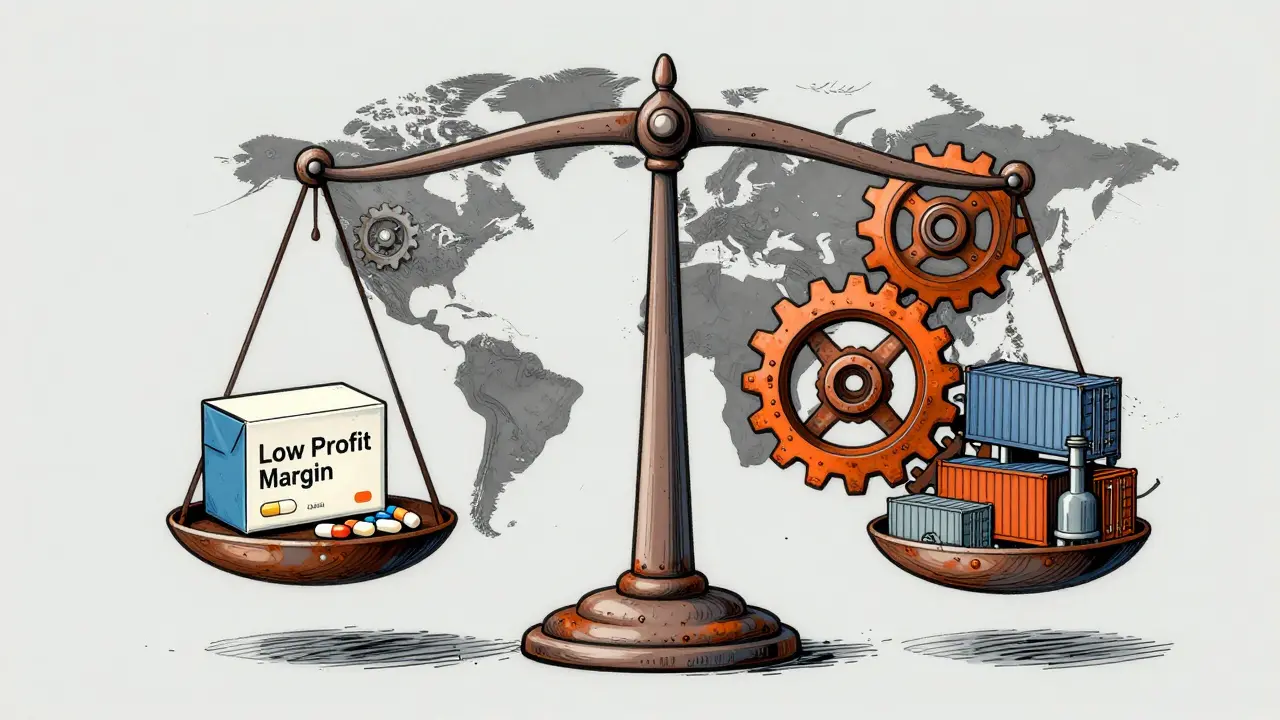
- Low profit margins: Generic manufacturers earn just 5-10% gross margins compared to 30-40% for brand-name drugs. These razor-thin profits discourage investment in production quality or backup capacity.
- Global supply chain fragility: Over 50% of drugs used in the U.S. are manufactured abroad, with approximately 80% of active pharmaceutical ingredients (APIs) coming from facilities in China and India, according to the FDA’s 2024 supply chain assessment.
- Quality control issues: The FDA reported in 2020 that 62% of all drug shortages were caused by manufacturing and quality problems resulting in supply disruptions.
- Regulatory pressures: FDA inspection citations for manufacturing quality issues increased by 35% between 2020 and 2024, forcing some facilities to halt production temporarily.
Dr. Valerie Malta, Director of the University of Utah Drug Information Service, explains: “There is a clear correlation between drug price and shortage risk, particularly for older generic products. Low-priced drugs are more vulnerable to shortage, as they yield thin profit margins that may disincentivize manufacturers from staying in the market or investing in production quality.”
Who Gets Hit Hardest? Understanding the Impact on Patients
When a generic drug goes missing, patients don’t just switch to another option-they often face serious consequences. According to a 2022 American Medical Association survey, 63% of pharmacists reported that drug shortages had led to serious adverse patient outcomes. Here’s how different groups experience these shortages:
| Patient Group | Commonly Affected Medications | Typical Consequences |
|---|---|---|
| Cancer patients | Cisplatin, other chemotherapy agents | Modified regimens, treatment delays, reduced efficacy |
| Hospitalized patients | Venous thromboembolism prophylaxis, IV fluids | Increased hospital stays, alternative therapies |
| Chronic pain sufferers | Opioids, muscle relaxants | Uncontrolled pain, emergency room visits |
| Antibiotic users | Vancomycin, amoxicillin | Ineffective alternatives, longer recovery times |
A hospital pharmacist shared their frustration on Reddit’s r/pharmacy community in June 2025: “We’ve been out of vancomycin powder for reconstitution for 8 months now-having to use alternative antibiotics that are less effective and more expensive, putting patients at risk.” Stories like this highlight how shortages affect real people trying to get basic care.
How Healthcare Providers Cope With the Crisis
If you work in healthcare-or know someone who does-you probably already understand the toll that drug shortages take on daily operations. Managing these shortages requires significant resources and expertise:
- Pharmacists spend 15-20 hours per week handling shortage-related activities, including identifying therapeutic alternatives and updating electronic health records, according to ASHP’s 2024 workforce survey.
- Independent pharmacies lose an average of 12.3 hours weekly finding substitutes, with 43% reporting that patients abandon prescriptions due to cost or availability issues.
- Hospitals report spending $213 million annually managing drug shortages through additional staff time, alternative purchasing, and modified treatment protocols.
- Seventy-two percent of hospitals say drug shortages exacerbate staffing challenges, making recruitment even harder during an already tight labor market.
This burden falls heavily on frontline workers who must constantly adapt while maintaining high standards of care. It also creates documentation nightmares, with 65% of healthcare facilities maintaining separate shortage protocols for at least ten different drug categories.
The Economic Reality Behind Generic Drug Manufacturing
To truly grasp why generic drug shortages persist, we need to look at the economics driving the industry. The U.S. generic drug market was valued at $122.3 billion in 2024 but has experienced declining profitability:
- Average gross margins for generic manufacturers fell from 35% in 2010 to just 18% in 2024, according to IQVIA data.
- Market concentration has grown significantly-the top 10 generic manufacturers now control about 60% of the market compared to 45% in 2015.
- FDA-registered generic drug manufacturing facilities in the U.S. decreased by 22% between 2015 and 2024, dropping from 1,842 to 1,437 sites.
This consolidation reduces overall manufacturing capacity and makes the system more fragile. When combined with regulatory pressures and international dependencies, the result is a recipe for frequent shortages.
What Can Be Done to Fix the Problem?
Solving the issue of generic drug shortages will require coordinated efforts across multiple levels. Some potential solutions include:
- Diversifying manufacturing geographically: Reducing reliance on foreign suppliers by encouraging domestic production could help stabilize supplies.
- Creating financial incentives: Offering tax breaks or subsidies for reliable manufacturers might encourage better investment in quality and redundancy.
- Implementing advanced technologies: Automation and continuous manufacturing processes can improve efficiency and reduce errors.
- Improving early warning systems: Better monitoring tools would allow quicker responses before shortages become widespread.
The FDA’s 2024 Drug Shortage Task Force identified these four strategies as key areas for improvement. However, experts warn that without addressing underlying pricing structures, progress will remain limited. Dr. Erin Fox, Senior Director of Drug Information at University of Utah Health, notes: “The practice of maintaining low to no excess manufacturing capacity-which is particularly common with generic drugs-may increase the number of drug shortages by making the supply chain more vulnerable when disruptions do occur.”
Looking Ahead: What Does the Future Hold?
Despite recent improvements thanks to initiatives like Executive Order 14050, which created the Essential Medicines List and helped cut essential medicine shortages by 32% between 2020 and 2023, new threats loom on the horizon. Proposed tariffs ranging from 50-200% on pharmaceutical imports could severely disrupt an already fragile global supply chain, especially affecting critical items like chemotherapy medications and IV saline.
The Congressional Budget Office projected in January 2025 that without policy changes, the number of active drug shortages would reach 350 by the end of 2026. That projection paints a grim picture if current trends continue unchecked.
For now, patients and providers alike must navigate this challenging landscape together. Staying informed, advocating for change, and supporting policies aimed at strengthening our pharmaceutical infrastructure are crucial steps toward ensuring everyone gets the medications they need.
Why are generic drugs more prone to shortages than brand-name ones?
Generic drugs face higher shortage risks because of lower profit margins, concentrated manufacturing, and fewer competitors willing to invest in backup capacity. Unlike brand-name drugs, where therapeutic alternatives often exist, generics frequently lack viable substitutes once supply chains break.
Which types of medications are most affected by shortages?
Sterile injectable drugs account for roughly 60% of all generic drug shortages due to their complex manufacturing requirements and strict sterile conditions needed during production. Chemotherapy agents, antibiotics, and certain cardiovascular medications are among the most commonly impacted.
How long do typical generic drug shortages last?
The median duration of generic drug shortages has doubled from 12 months in 2011 to 24 months in 2023, according to ASHP tracking data. Prolonged durations reflect deeper systemic challenges within the pharmaceutical supply chain.
Are there any government programs helping address drug shortages?
Yes, Executive Order 14050 established the Essential Medicines List, leading to a 32% reduction in shortages of critical products between 2020 and 2023. Additionally, the FDA’s Drug Shortage Task Force focuses on diversifying manufacturing, improving early warnings, and promoting technological advancements.
What role does international trade play in causing drug shortages?
Over half of drugs used in the U.S. come from overseas, with around 80% of active pharmaceutical ingredients sourced from China and India. Tariffs or geopolitical tensions can quickly disrupt these vital supply lines, worsening domestic shortages.
Can consumers help mitigate the effects of drug shortages?
While individual actions won’t solve the broader issue, patients can stay proactive by discussing alternatives with their doctors, checking multiple pharmacies, and joining advocacy groups pushing for stronger pharmaceutical policies.

Terrence spry
I'm a pharmaceutical scientist specializing in clinical pharmacology and drug safety. I publish concise, evidence-based articles that unpack disease mechanisms and compare medications with viable alternatives to help readers have informed conversations with their clinicians. In my day job, I lead cross-functional teams advancing small-molecule therapies from IND through late-stage trials.
view all posts