When your chest tightens up during exercise or stress, it’s often a sign of angina, chest pain caused by reduced blood flow to the heart muscle, usually from narrowed arteries. Also known as stable angina, it’s not a heart attack—but it’s your body’s warning that something’s wrong with your coronary artery disease, a condition where plaque builds up in the heart’s arteries, limiting oxygen supply. If you’ve been told you have angina, you’re not alone. Millions manage it every day with the right mix of meds, lifestyle changes, and smart monitoring.
The most common nitroglycerin, a fast-acting medicine that opens up blood vessels to increase blood flow to the heart is often the first line of defense. It’s the little tablet you put under your tongue when the pain hits, and it works in seconds. But it’s not the whole story. Long-term control usually means daily meds like beta blockers, drugs that slow your heart rate and reduce blood pressure to lower the heart’s workload, or calcium channel blockers that relax your arteries. Some people need aspirin to prevent clots, or statins to lower cholesterol and stop plaque from growing. The key isn’t just taking pills—it’s knowing which ones fit your body, your risks, and your daily life. And yes, generics often work just as well as brand names, and your doctor can help you save money without losing safety.
What you do outside of pills matters just as much. Smoking, stress, heavy meals, and cold weather can all trigger angina. Simple changes—like walking daily, eating less salt and saturated fat, and learning to manage stress—can cut down how often you feel that tightness. But if your meds aren’t cutting it, or your pain is getting worse, that’s not something to ignore. You might need tests to see if your arteries are getting worse, or if procedures like stents or bypass surgery are the next step. Don’t wait until you’re in crisis to ask questions. Bring up your symptoms, your side effects, and your concerns about cost. You deserve a plan that works for you—not just a prescription you can’t afford or don’t understand.
Below, you’ll find real, practical advice on how these treatments work, what to watch for, and how to make smarter choices with your doctor. From understanding why your heart reacts the way it does, to spotting dangerous drug combos, these posts give you the tools to take control—without the fluff.
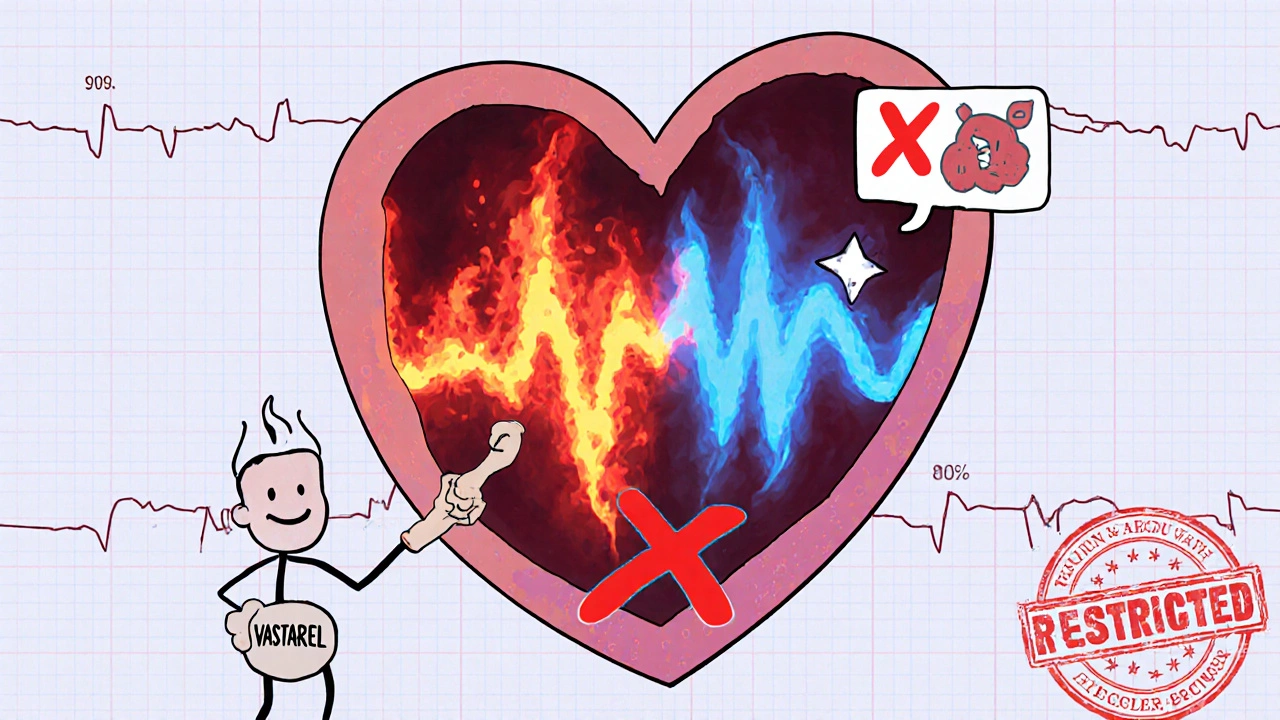
Compare Vastarel (trimetazidine) with safer, better-studied alternatives like ranolazine, beta-blockers, and nitroglycerin for managing angina. Learn what doctors recommend in 2025 and which options carry fewer risks.
read more